
Introduction
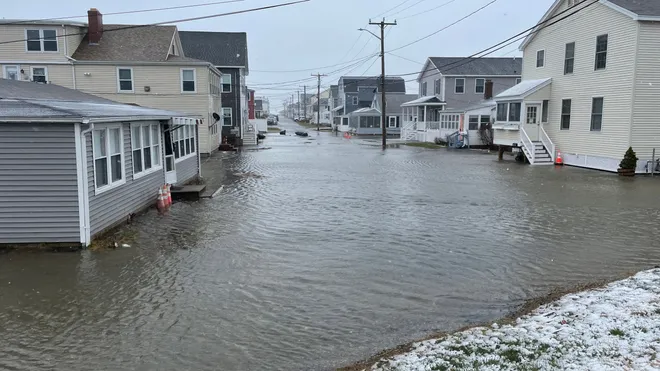
America’s shorelines, once viewed as idyllic havens and economic engines, are now on the frontlines of an intensifying environmental crisis—coastal flooding. Rising sea levels, stronger storms, and climate-induced changes are placing coastal communities under constant threat. From Miami to New York, and from the Gulf Coast to the Pacific Northwest, no shoreline is immune. This article explores the growing risks of coastal flooding in the United States, its implications, and the urgent need for comprehensive preparedness strategies.
The Rising Tide: Understanding Coastal Flooding
Coastal flooding is the overflow of seawater onto land that is normally dry. It may result from storm surges, high tides, or heavy rainfall. What makes this type of flooding particularly dangerous is its frequency and intensity, both of which have increased over recent decades.
Several factors contribute to coastal flooding:
- Sea-Level Rise: As polar ice melts and oceans warm, sea levels are steadily climbing. This makes even minor storms more likely to breach sea defenses.
- Storm Surges: Hurricanes and tropical storms push vast amounts of water toward the shore, flooding communities rapidly.
- Land Subsidence: In some areas, the land itself is sinking, which compounds the effects of sea-level rise.
- High Tides: Sometimes called “king tides,” these naturally occurring events are now reaching higher than ever due to sea-level rise.
Impacted Areas and Communities
The United States has thousands of miles of coastline that span diverse geographies and population densities. While urban centers like New York City and Miami often capture headlines, many smaller towns and rural areas are equally or even more vulnerable due to limited resources and infrastructure.
- East Coast: The Atlantic shoreline experiences frequent “sunny day flooding,” especially in places like Charleston, Annapolis, and Norfolk.
- Gulf Coast: States like Louisiana and Texas face threats from hurricanes and rapid land loss due to subsidence and erosion.
- West Coast: While not traditionally known for hurricanes, parts of California and the Pacific Northwest face threats from storm surges, tsunami risks, and heavy winter storms.
- Island Territories: U.S. territories such as Puerto Rico, Guam, and American Samoa are highly vulnerable due to their geography and limited infrastructure.
Economic and Social Consequences
The consequences of coastal flooding are not limited to temporary inconveniences—they have long-term and far-reaching impacts.
1. Economic Damage
Flooding leads to the destruction of homes, businesses, public infrastructure, and agricultural land. Insurance payouts have increased, and in many areas, premiums are rising to unaffordable levels. The cost to rebuild can reach billions, especially in heavily populated regions.
2. Displacement of Communities
Flooding forces people to relocate, either temporarily or permanently. This phenomenon, known as “climate migration,” is becoming increasingly common in flood-prone areas. Displaced families face emotional, financial, and logistical challenges.
3. Public Health
Floodwaters often contain contaminants, leading to the spread of waterborne diseases. Mold growth in flooded homes also poses respiratory risks, especially for children and the elderly.
4. Loss of Biodiversity
Flooding and erosion alter natural habitats. Saltwater intrusion into freshwater wetlands and agricultural lands can render ecosystems uninhabitable for native species.
Infrastructure at Risk
Critical infrastructure such as highways, airports, railroads, wastewater systems, and power grids often lie in low-lying areas near the coast. Flooding can disrupt transportation, emergency response, utilities, and daily life.
Examples of vulnerable infrastructure:
- Subway systems in coastal cities
- Coastal bridges and tunnels
- Port facilities
- Hospitals and emergency shelters
If not adapted or relocated, these systems could fail in the face of major flood events, causing cascading crises.
Government and Community Preparedness
To address this growing threat, both government bodies and communities are taking proactive steps.
1. Resilient Urban Planning
Many cities are revising zoning codes and requiring elevated construction. New developments may be restricted in flood-prone areas, and green infrastructure like parks and wetlands is being used as a natural buffer.
2. Investment in Sea Defenses
Projects include sea walls, levees, floodgates, and surge barriers. Some cities are building artificial islands or elevating entire neighborhoods.
3. Climate Adaptation Plans
State and local governments are drafting and implementing adaptation plans that focus on long-term resilience. These include infrastructure upgrades, evacuation planning, and disaster response training.
4. Community Engagement
Community participation is essential. Public awareness campaigns, emergency drills, and local volunteer efforts all play vital roles in preparedness.
Innovative Solutions and Technologies
Innovation is a powerful ally in the fight against coastal flooding. From data analytics to engineering marvels, modern tools are improving our readiness.
- Flood Forecasting Systems: Real-time flood monitoring and early-warning systems help residents prepare and evacuate in time.
- Smart Infrastructure: Buildings and bridges are being designed to adapt to changing sea levels and withstand harsh conditions.
- Nature-Based Solutions: Wetlands, mangroves, and dunes naturally reduce flood risk and are being restored and protected.
- Floating Architecture: In some cases, designers are creating homes and buildings that can float during floods.
The Role of Individuals and Families
Preparedness isn’t just a government responsibility. Individuals and families have a crucial role in reducing flood risk and staying safe.
Practical steps include:
- Knowing your flood zone and evacuation routes
- Creating a family emergency plan
- Installing flood barriers and sump pumps
- Elevating electrical systems and appliances
- Purchasing flood insurance
Being proactive rather than reactive can make the difference between safety and disaster.
The Path Forward: A Call to Action
Coastal flooding is not a distant future threat—it is already happening, with increasing frequency and impact. Delaying action will only make the challenges harder to solve. America’s shoreline communities must embrace a culture of resilience, supported by sound policy, informed planning, and community empowerment.
Key Takeaways:
- Coastal flooding is increasing due to sea-level rise, stronger storms, and land subsidence.
- The economic, social, and ecological impacts are widespread and growing.
- Both urban and rural areas face significant challenges in infrastructure and preparedness.
- Government policies, community engagement, and individual actions must align to address the crisis.
- Innovative solutions, including nature-based defenses and smart technologies, offer hope for adaptation and survival.