
NASA’s Artemis 2 mission won’t just send a quartet of astronauts around the Moon — a trove of aerospace artifacts will also make the trip.
A piece of the Wright brothers’ plane will fly in Artemis 2 Orion spacecraft, for example, just like an American flag that reached orbit in the first and last space shuttle missions, NASA announced on January 21.
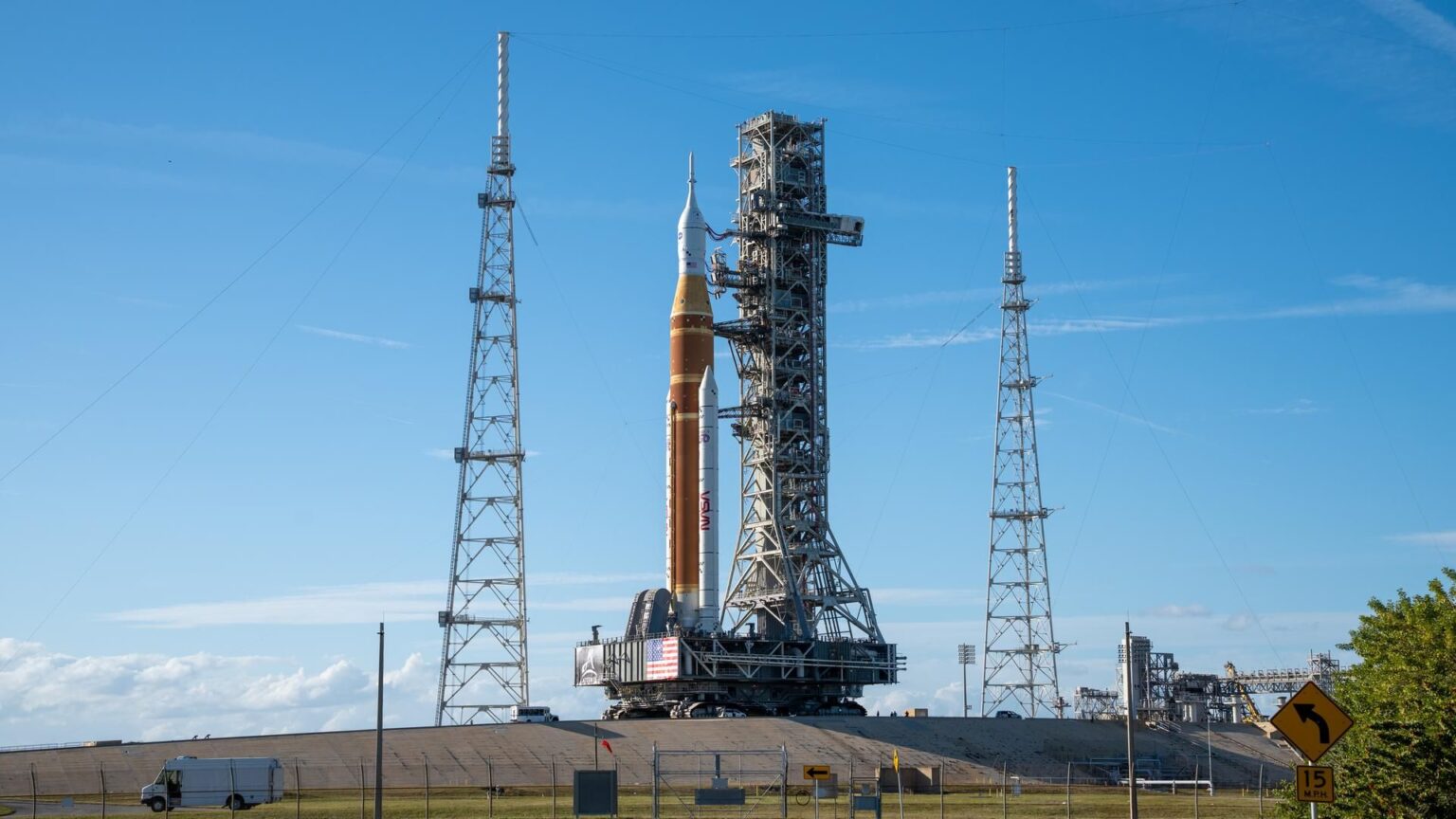
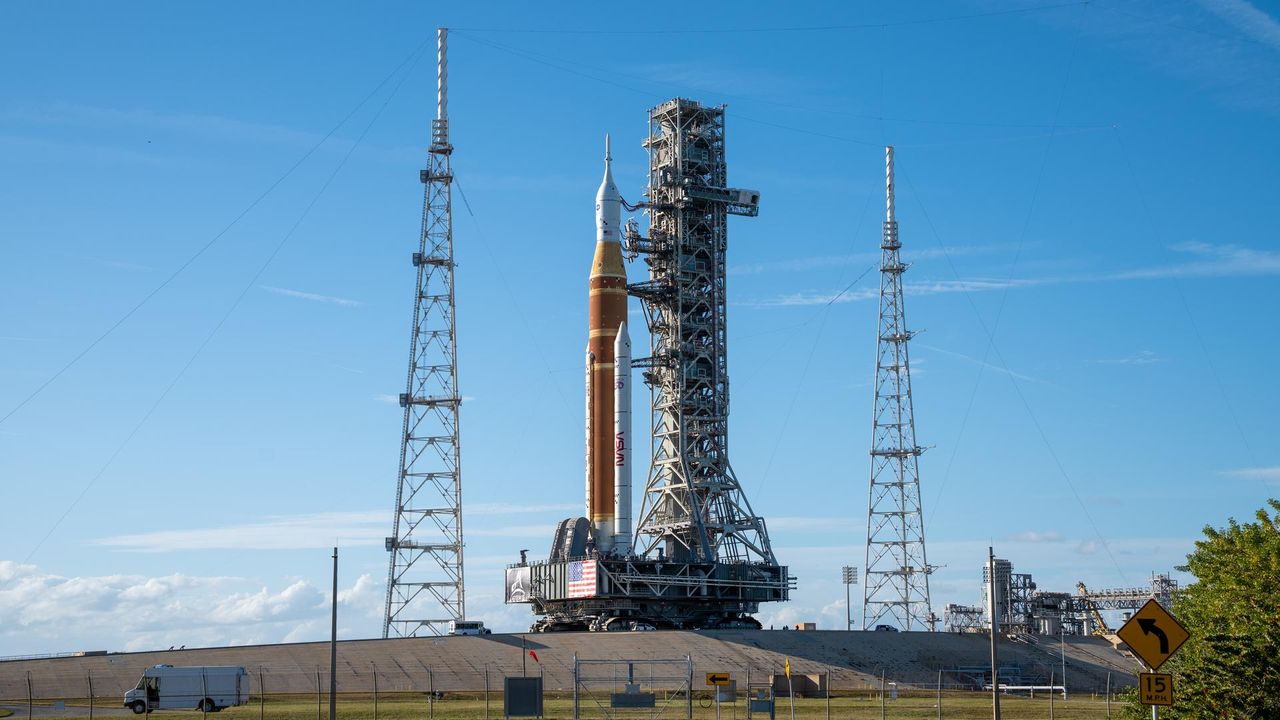
Orion from Artemis 2 will launch on a Space launch system (SLS) rocket, which sends NASA astronauts Reid Wiseman, Victor Glover and Christina Kochtogether with the Canadian space agencies Jeremy Hansenon a 10-day trip through the moon and back to Earth aboard Orion.
NASA plans to launch in early February, which will be the first to send people to the lunar realms since Apollo 17 back in 1972.
The mementos placed on Orion will commemorate the historic nature of the mission, which takes place during the United States’ 250th anniversary year.
The Wright Brothers made the first successful powered flight in 1903, with their Wright Flyer (also known as Flyer 1) over the dunes of Kitty Hawk, North Carolina. Artemis 2 will carry a small piece of the plane, a 6.5-square-centimeter (1-square-inch) sample of muslin cloth on loan from the Smithsonian National Air and Space Museum.
A smaller piece of this same sample has already reached space, arriving there on the STS-51D mission of the space shuttle discovery back in 1985, according to NASA officials.
By the way, Artemis 2 will not be the first deep space trip of a piece of the Wright Flyer: a different sample of the pioneering aircraft flew to Mars aboard NASA’s Ingenuity helicopter, which became the first plane to take to the skies of a world beyond Earth. (The artifact, like Ingenuity, remains in Mars today.)
Also flying on Artemis 2 is an 8-by-13-inch (20-by-33-centimeter) American flag that was raised on STS-1 and STS-135 – the first and last space shuttle missions, in 1981 and 2011, respectively – and the 2020s Demo-2the first astronaut mission SpaceX never made.
The next lunar mission will also carry another flag.
“A flag that was to fly on NASA’s Apollo 18 mission is included in the flight kit and will make its first flight with Orion,” NASA officials wrote in the same statement. “The flag serves as a powerful emblem of the United States’ renewed commitment to human exploration of the Moon, while honoring the legacy of the Apollo pioneers who first blazed the trail.”
Apollo 18 was canceled in 1970, as were Apollo 19 and Apollo 20, due to budget cuts and changes in national priorities after the United States won the space race to the Moon in the Cold War era. As a result, Apollo 17 became the final mission of the apollo program.
In total, Orion will carry about 10 pounds (4.5 kilograms) of souvenirs and artifacts on Artemis 2, according to NASA. Here is a brief summary of the other historical payloads:
- Negative of a photograph taken in 1964 by ranger 7the first NASA mission to send close-up images of the Moon to Earth. The Ranger missions were designed to help NASA select safe landing sites for the Apollo missions. Therefore, “photography represents an important turning point in the race to the Moon, which today will be echoed by the success of Sagebrush“NASA officials wrote in the statement.
- Soil samples taken from the base of “moon trees“, which grew from seeds that flew to lunar orbit and returned in late 2022 on a NASA unmanned vehicle. Artemis 1 mission. These trees have sprouted in 236 different locations across the United States, but the soil flying on Artemis 2 comes from lunar trees growing on the campuses of NASA’s 10 research centers.
- An SD card with the names of millions of people who participated in the “Send your name to spaceCampaign for Artemis 2.
- Stickers and patches provided by the Canadian Space Agency and the European Space Agency (ESA), who are partners in the mission. ESA, for example, provided the Orion service module.