
“Please send help. It hurts a lot,” Regina Santos-Avilés he told a police operator the night it caught fire. Standing in his backyard on Sept. 13, 2025, Santos-Avilés doused himself in gasoline and then used a lighter to ignite the flames, according to a fire department report. The 35-year-old mother was airlifted to a San Antonio hospital, where she was pronounced dead.
For four years before her death, Santos-Avilés had worked as regional director of Congressman Tony Gonzales’ district office in Uvalde, Texas. In spring 2024, recently posted text messages On his family show, the Republican repeatedly pressured his assistant to take “sexy” photos of him and grilled her about her favorite sexual positions, even when Santos-Avilés resisted his advances and told him he was going “too far.”
The consequences of the subsequent affair were rapid and total for Santos-Avilés. Her husband found out and passed on his knowledge in a text message sent to Gonzales and seven of her co-workers. She was ostracized at work as her husband ended their 21-year relationship and moved out of their home. Santos-Avilés’ mental health deteriorated, people close to her saideven though he remained at his job until his death, a year and a half later.
In November, the Congressional Conduct Office opened an investigation into Gonzales’ conduct, an investigation with which the Texas congressman reportedly refused to cooperate. Under House protocol, the results of that investigation will remain secret, even if they are deemed serious enough to be referred to the House Ethics Committee.
Last week’s release of Gonzales’ text messages with Santos-Avilés has set off a chorus of calls not only for Gonzales to drop his re-election bid and resign his congressional seat, but for a complete overhaul of a system that protects members of Congress accused of harassing their staff, while keeping the details of that harassment hidden from public scrutiny, even when the incidents are deemed serious enough to warrant a taxpayer-funded payout.
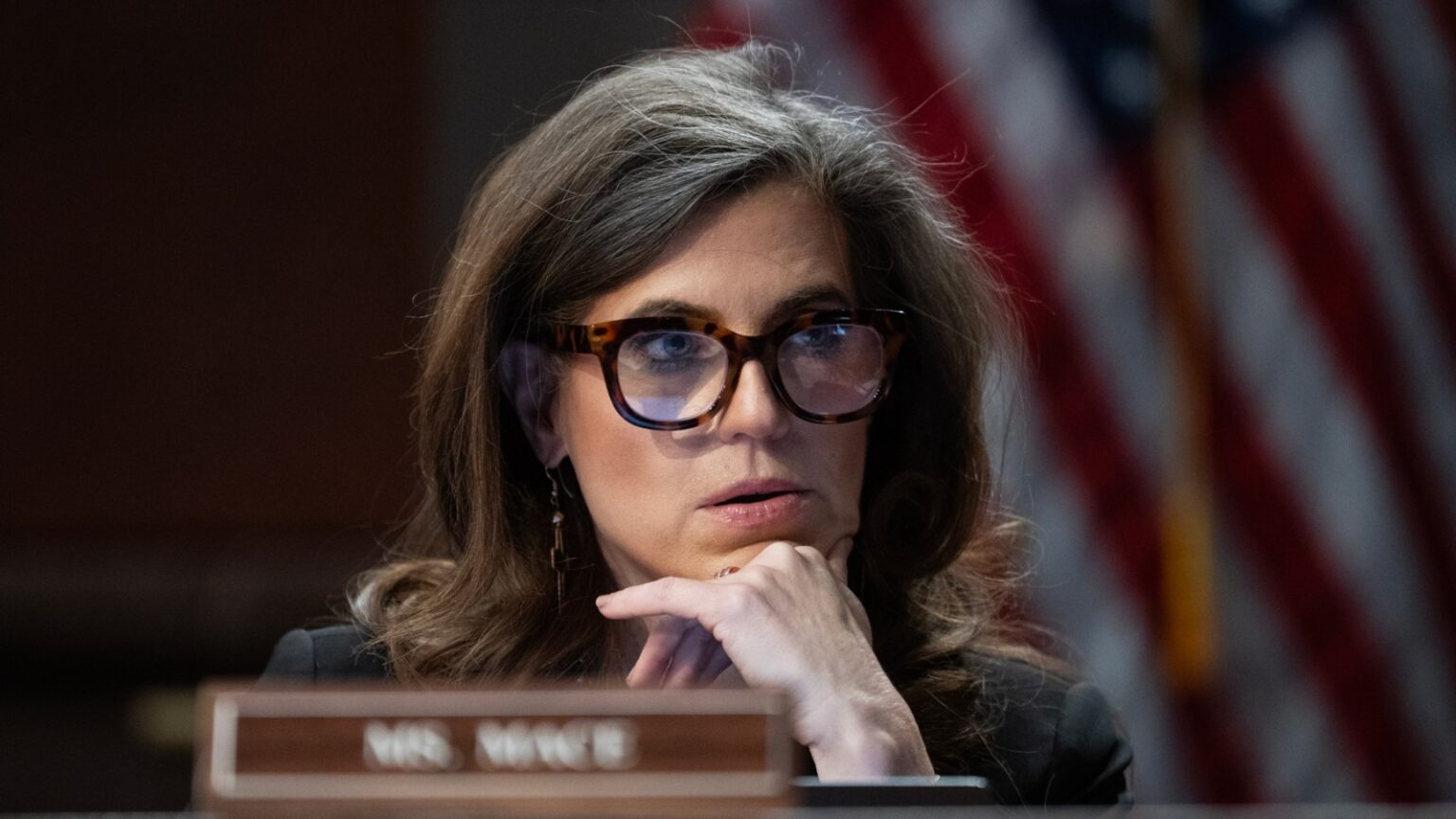
Those calls are being led by Gonzales’ female colleagues, including congresswomen. Nancy Mace (RS.C.), Ana Paulina Luna (R-Florida) and Lauren Boebert (R-Colo.), who says his behavior is illustrative of a widespread problem of sexual harassment in the Capitol.
Mace last week introduced a resolution that would force the Ethics Committee to “make public all reports, conclusions, draft reports, recommendations and accompanying materials” of House members accused of violating House rules prohibiting sexual harassment. Luna and Boebert are co-sponsoring the resolution, on which Mace plans to force a vote this week.
“These people need to be criticized for their behavior. I don’t care if their name has an R or a D. They need to suffer the consequences,” Mace says. rolling stone. “Women are not second-class citizens. We have rights and we have the right to be respected by our colleagues. Women on Capitol Hill have the right to work in a safe work environment and not to be harassed in any way.”
“One of the problems – and this is a bipartisan problem – is that when things like this happen, people don’t want to call out their own party’s nonsense,” Luna adds.
The text messages from Gonzales to Santos-Avilés, Mace says, were “deeply offensive, embarrassing, worthy of a resignation, and worthy of wondering why this was not addressed months ago, when leaders knew about it.” It is unclear when House Speaker Mike Johnson, who endorsed gonzalesThe candidate up for re-election in August, before Santos-Avilés’ death, first became aware of the congressman’s apparent harassment of his employee or alleged affair, but Johnson has refused to join members of his group demanding Gonzales’ resignation.
Gonzales is currently seeking a fourth term representing a swath of southwest Texas stretching from San Antonio to El Paso. The Republican primary for that seat will take place on Tuesday, March 3. Republicans currently hold 218 seats in the House, while Democrats hold 214, with three seats vacant. The GOP’s slim majority is further endangered by the possible loss of Rep. Neal Dunn (R-Fla.), who Johnson he allegedly told donors Friday, is battling a life-threatening illness.
Mace does not share the view of his colleagues such as Rep. Troy Nehls (R-Texas), who have said that politics (and protecting the Republican majority) outweigh any concerns about Gonzales’ behavior.
“This woman set herself on fire, she died in the most heinous way, and you’re going to walk out of the president’s office and not care and say, ‘I’m not going to resign’? It’s disgusting,” Mace says.
“There are no words for this behavior.”
Johnson’s tolerance for Gonzales’ behavior, in Mace’s view, is indicative of a broader attitude toward sexual harassment in Congress. “I don’t think anyone takes harassment of any kind in the Capitol seriously,” Mace says. “I think the way women are treated [on Capitol Hill] It is representative of the way women are treated throughout our country. It’s cultural. I mean, look at Epstein’s files. “One accomplice went to jail with over a thousand victims, and we still can’t get the names of the accomplices, because our government is covering it up and has done so for two decades.”
Johnson’s reluctance to release Epstein’s files was a point of tension between the president and the women in his group last year. But Mace, Luna and Boebert remain strong supporters of President Donald Trump, who also opposed the release of the Epstein files, in which he appears, and who has been repeatedly accused of sexual harassment and has been found guilty for sexual assault. Asked if the Justice Department was protecting Trump by withholding interviews with a woman who accused the president of sexually abusing her, Luna says, “He’s been completely exonerated and you can see that in the records.”
There is virtually no public transparency in sexual harassment complaints filed by congressional staff, even as the public foots the bill for settlements. “If members of Congress are going to behave in a way that is illegal, then why should taxpayers be responsible for paying for it? They should be required to pay for it themselves,” Luna says.
Since 1997, a dedicated Treasury account has paid more than $19 million in claims filed by Capitol employees under the Congressional Accountability Act, according to a review by rolling stone — legislation aimed at offering congressional staff the same workplace protections enjoyed by private sector employees.
But only the scantiest details are released when that money is paid: the name of the office involved, the amount of money and the section of the CAA allegedly violated. Last year, for example, a report The Treasury account paid a $98,650 settlement to an employee who worked in the office of former Congresswoman Lori Chávez De Remer, the Congressional Workers’ Rights Office shows. The complaint was filed under Section 201, a provision that outlines protections against discrimination and harassment, but, per established protocol, no additional details of the allegation are made public.
That case illustrates the failures of a system that keeps details of alleged misconduct secret. Taxpayers foot the bill, while details of the accusation, including the perpetrator, remain secret. It’s unclear who in Chávez De Remer’s congressional office was accused of misconduct, but allegations of wrongdoing have landed her a new job. Since Trump appointed him Secretary of Labor, Chávez De Remer has been accused of alleged inappropriate relationship with a member of her security team (who has been placed on leave amid an investigation by the Office of the Inspector General), while her husband has been banned from the Department of Labor headquarters after several employees accused him of sexual assault.
“I think there are probably a lot of cases like that,” Mace says. “This should all be revealed. It does women a disservice when it isn’t, and when it’s overlooked, and ‘no big deal.'” “This type of behavior goes on and on because no one is ever held accountable.”