




One of NASA’s biggest upcoming astrophysical missions has come to a screeching halt, with the project leader blaming mismanagement at the space agency caused by last year’s budget mix-up.
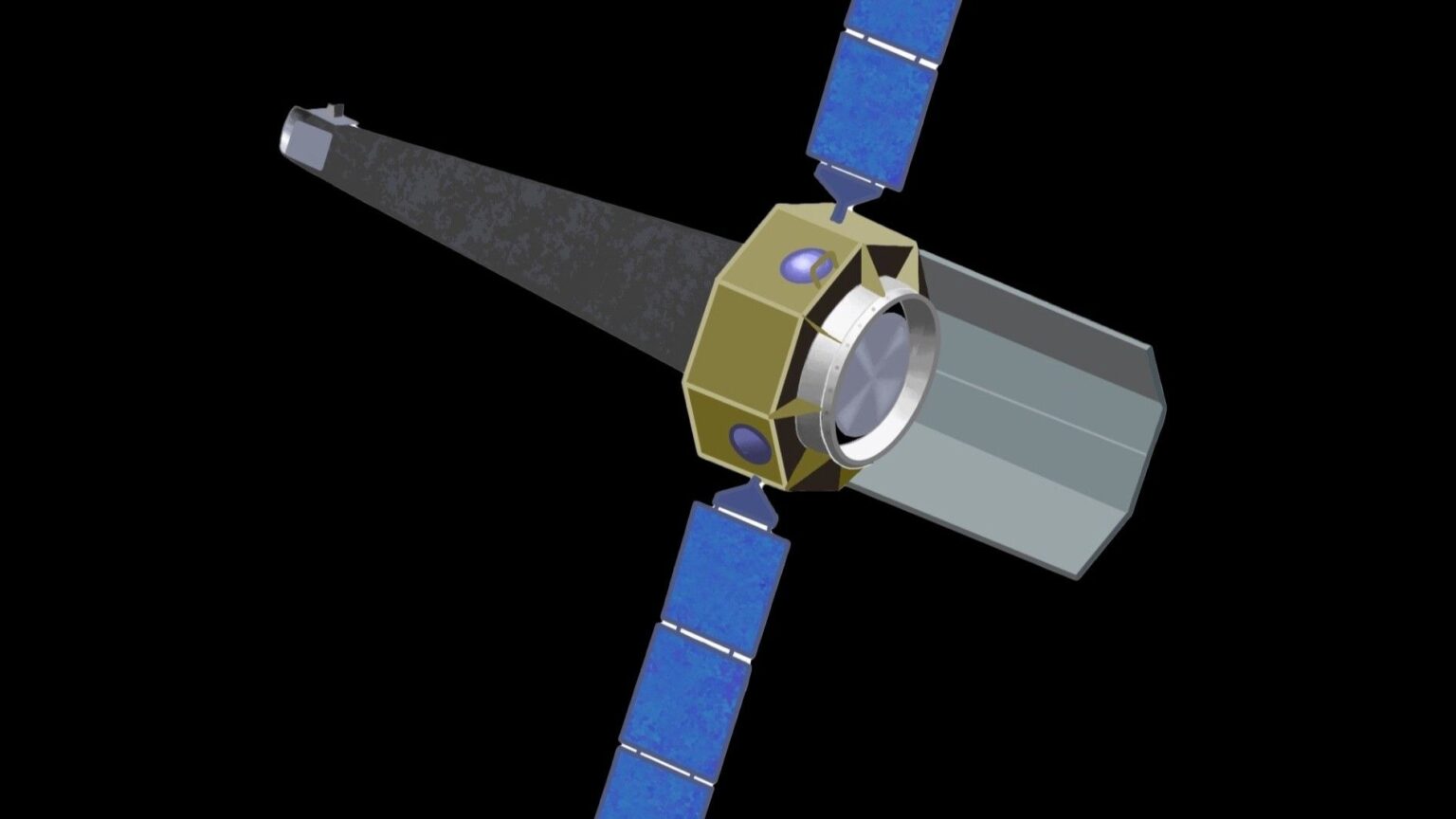
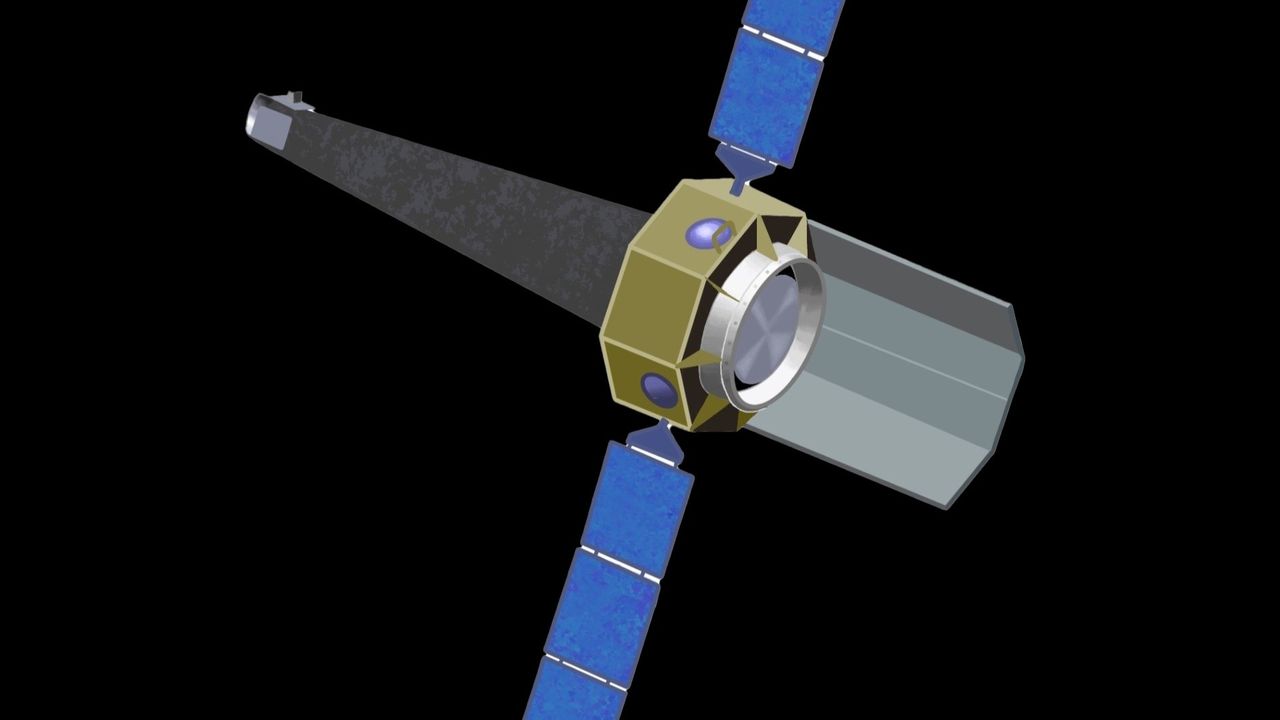
AXIS, the Advanced X-ray Imaging Satellite, was one of two concepts selected for detailed design studies in the NASA program. Astrophysical Probes Explorer Programcompeting alongside the PRIMA far-infrared observatory concept. AXIS could have replaced aging NASA Chandra Observatorywhich remains a powerhouse of X-ray astronomy since 1999, but the project is coming to an abrupt halt.
An internal email sent on March 9 by AXIS principal investigator Christopher Reynolds informed members of the mission’s international team that NASA Headquarters has ruled the program ineligible for selection, ending the project’s execution before its conceptual study can undergo a full technical review.
Article continues below.
“NASA’s decision was NOT a judgment on the importance of AXIS science,” Reynolds said in the email, which was posted on social media. He said AXIS’s removal from eligibility was tied to disruptions at the NASA facility. Goddard Space Flight Center (GSFC) in Maryland, who led the mission for a period of Widespread workforce losses and operational instability. throughout 2025.
“The mission formulation process was severely compromised by the seismic changes that occurred in POT and the federal government,” Reynolds wrote.
A major setback was caused by the early retirement of Will Zhang, a scientist who NASA describes as a “mirror-making genius” for space telescopes.
“The key technology for AXIS is these monocrystalline silicon mirror arrays, which Will Zhang pioneered at GSFC,” a Goddard scientist familiar with the matter but not authorized to speak on behalf of NASA told Space.com. “Will always intended to retire early, but he accepted the DRP.”
“One of the main goals of AXIS Phase A was to build at least one of these mirror arrays to demonstrate that it could be done. They didn’t build any,” the scientist said. “It seemed like every week there was an announcement that someone was leaving the AXIS team due to retirement or finding a different job, all due to the uncertainty with NASA funding and the truly chaotic environment at GSFC.”
The project lost more than 20 GSFC staff with key expertise as a result of NASA’s intervention. Deferred Resignation Program (DRP) and reorganizations to align with 2026 presidential budget requestaccording to Reynolds’ email, and faced further complications caused by the government shutdown last year.
“Work was halted for nearly seven weeks when the GSFC AXIS core study team, dominated by NASA officials, was suspended“said Reynolds. NASA subsequently extended the deadline for the Conceptual Study Report, but Reynolds wrote that the extension was “inadequate compensation for the disruption and lost time” to address cost and schedule adjustments that had already been identified.
According to the email, Goddard leadership ultimately gave AXIS managers a choice: submit a Conceptual Study Report with a cost and schedule it didn’t meet, or not submit one at all. NASA also apparently rejected the AXIS team’s appeal to bring the design into compliance during discussions that normally take place during the review process, calling that option “unacceptable,” Reynolds said.
Another Goddard scientist who is not authorized to speak on behalf of NASA and who spoke on condition of anonymity told Space.com that this is not how it is normally done. “It is not at all unusual for a mission concept to go over budget and beyond the launch date after its first pass: in the first test you ask for everything you can imagine, and then you start looking for what is most reasonable while still meeting the mission requirements,” said the scientist. “The 10% they were missing is not bad for a first pass, but they didn’t have time to get additional quotes to reduce it.”
They said it was NASA management’s fault.
“Internally, the general consensus is that this is 100% because Goddard leadership mishandled this… this has absolutely nothing to do with the AXIS team, the merit of AXIS as a concept in general, and especially not with the Goddard scientists, engineers and project managers who have put everything into this mission and were held back by management every step of the way.”
NASA said the decision followed the agency’s standard science mission selection process, which includes several checkpoints at which mission concepts are evaluated for compliance with established requirements.
“NASA has confirmed the AXIS (Advanced astrophysics The community will be announced in the coming weeks.
“Frankly, I’m furious that AXIS ultimately fell victim to the programmatic chaos of 2025,” Reynolds told the AXIS team, arguing that the decision did not reflect the scientific importance of the mission.
However, AXIS was not necessarily the favorite against PRIMA, the X-ray space telescope competitor in the Astrophysics Probe program. “AXIS was always the riskiest of the proposed X-ray probes and people in the broader community were surprised that AXIS was selected for Phase A,” said one of the Goddard scientists. “Some people believe he was selected because he was the most like Chandra, and Chandra is older. [and] “It would be nice to replace it.”
Reynolds closed his message wishing “a smooth and swift path to selection and flight” to PRIMA, which remains under consideration. He also noted that other X-ray astronomy projects, such as SMEX and MidEXcan benefit from the research already conducted by the AXIS team.


