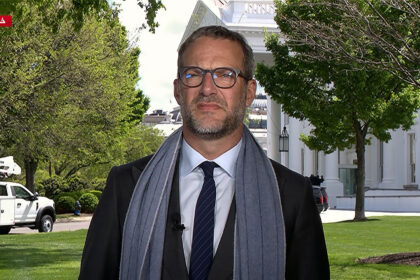
David Howman, president of the Athletics Integrity Unit, says current efforts to catch dopers have “stalled.”
David Howman, the experienced and outspoken president of the Athletics Integrity Unit, told the World Conference on Doping in Sport this month that the global anti-doping system has “stagnated” and is not as effective as it should be.
Speaking at the conference in Korea, he said: “Let’s be honest and pragmatic… intentional dopers at the elite level are evading detection. Today we are not effective enough in detecting cheaters. We have excellent educational programs that help, but do not impact intentional rule breakers in elite sport.”
“Our ineffectiveness in dealing with those who break the rules is damaging the credibility of the anti-doping movement, risking our message of clean sport falling on deaf ears.”
The AIU has earned a good reputation in athletics in recent years by catching several high-profile drug offenders. But Howman said that despite taking pride in its “demonstrated ability to detect elite athletes who cheat, the AIU is not detecting enough and significant improvements are needed.”
Howman, who spent 13 years as Director General of the World Anti-Doping Agency, urged the anti-doping community to “move beyond compliance to a system that supports ambitious and effective anti-doping efforts.”
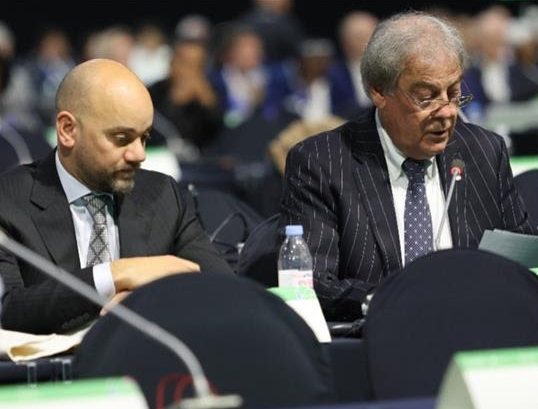
Questioning whether there can be collaboration between sporting disciplines to discover the best science, the best data and the best evidence, he suggested that Anti-Doping Organizations (ADOs) be supported with the best scientific and research tools (and incentivized to succeed) and, at the same time, adequately motivated to pursue excellence in anti-doping.