
The research behind the influential “science of reading” movement was built over decades through federally supported research spanning cognitive science, neuroscience, psychology, linguistics, and classroom studies.
Education research organizations say a 100-page proposal for sweeping overhaul of federal grant rules, which would add new review by political appointees, could make it difficult to produce similar important bodies of evidence in the future.
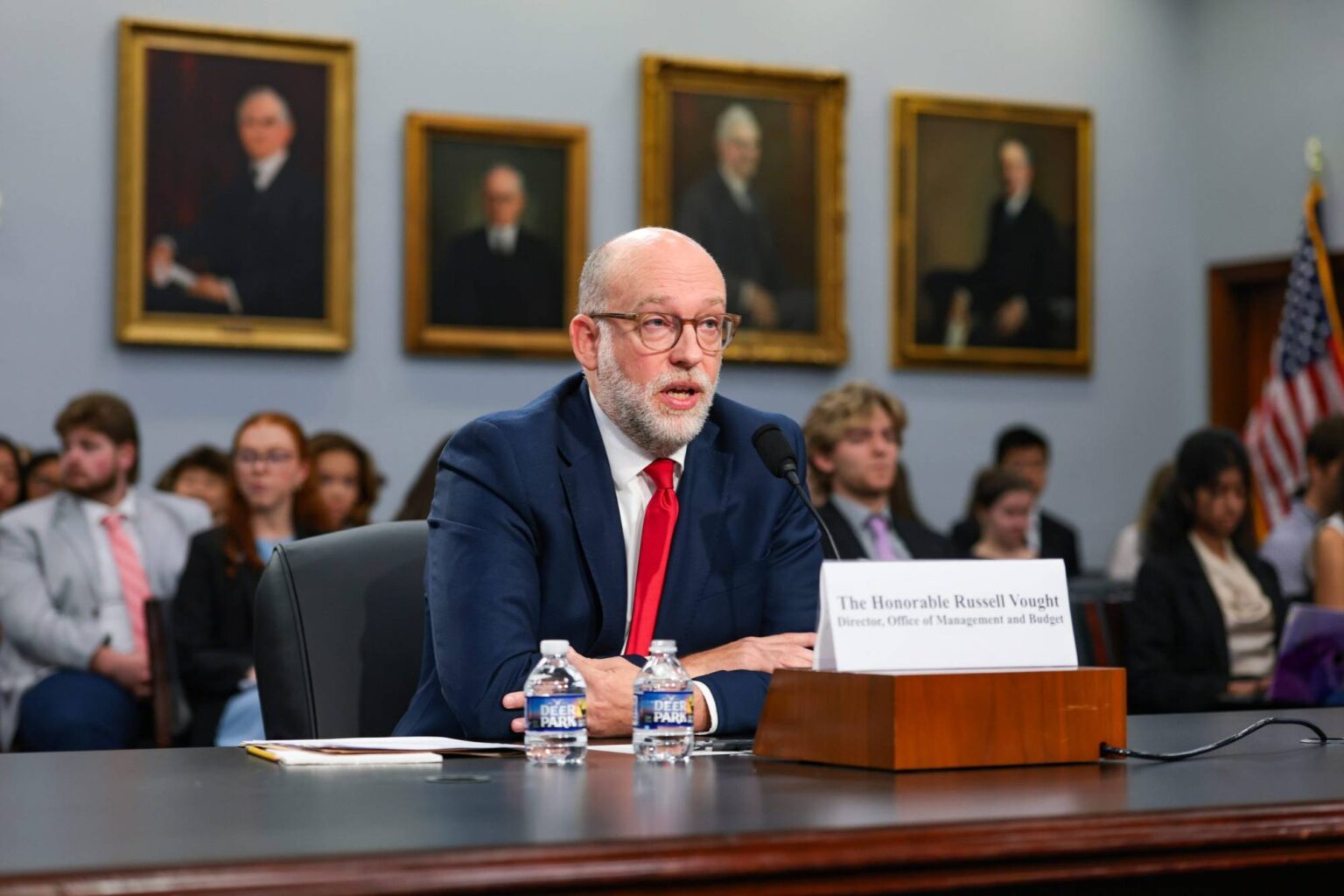
The federal Office of Management and Budget (OMB) says the proposed changes are intended to strengthen accountability, transparency and oversight of taxpayer-funded grants. He May 29 proposal would revise rules for issuing and overseeing grants, including those awarded by the Department of Education and the National Science Foundation, two major sources of federal funding for education research. The OMB wants the final rule to take effect on October 1, according to the proposal.
But in letters sent to OMB on the July 13 deadline for public comments, education research groups argued that some provisions could have unintended and harmful consequences by limiting the questions researchers study, giving too much influence to political considerations in funding decisions, and disrupting research already underway. Educational groups are not only asking for changes, but also for the entire reform proposal to be withdrawn.
Specific objections to the educational research were detailed in three letters from the National Academy of Educationsigned by 19 other educational and scientific organizations; he American Educational Research Association (AREA); and the Knowledge Alliancea group representing about 20 organizations that conduct educational research.
Could researchers study differences in student outcomes?
One of the most important concerns raised by educational researchers has to do with studies that examine whether educational outcomes differ between groups of students.
The proposed rule would prohibit federal funds from supporting research related to what the administration calls “unlawful diversity, equity and inclusion” activities and restrict funding for what are known as “disparate impact studies.” These look at whether policies that might seem neutral produce different outcomes for different groups.
The National Academy of Education, in a letter signed by 19 other educational and scientific organizations, warned that the rule could prohibit studies that examine racial or ethnic achievement gaps and whether educational interventions help some students more than others.
“If a reading intervention works differently for English learners, if a disciplinary policy falls more heavily on students of color, if a gifted education program fails to identify students with disabilities—these are not fringe questions,” the organization wrote. “They are central empirical questions of educational policy research.”
The researchers also noted potential conflicts with existing laws and educational programs that require demographic analysis. For example, the roughly $17 billion federal program for high-poverty schools known as Title I requires states and districts to examine student outcomes by race, disability status, income, and English learner status to identify and support struggling student groups.
The proposed rule does not explicitly prohibit all such analyses. But researchers argue that the language around diversity, equity, inclusion and “disparate impact” is broad and vague enough to create uncertainty and deter researchers from proposing meaningful studies.
Who decides what is considered valuable research?
Education researchers also oppose proposed changes that would increase political participation in grant decisions.
The proposal would require agencies to consider alignment with federal priorities, which could change from one administration to the next, and the “national interest,” which is not defined. It also states that political appointees must review all grants before they are issued. Research organizations argue that this requirement could reduce the role of independent scientific review, when subject matter experts evaluate proposals based on quality, rigor and feasibility.
Researchers are also concerned that the Trump administration’s push for “gold standard science” in the proposal is undefined and may favor some methods over others. Educational research is not as simple as testing the effectiveness of a new medication and often uses a variety of approaches, including surveys, interviews, and sophisticated data analysis that attempt to replicate an experiment without randomly assigning students to a program or instructional style.
Among other changes, the OMB proposal asks agencies to give preference to grant proposals with low overall costs, which hurts large research universities. It would also cut federal funding for conference attendance and publication costs unless specifically approved. Researchers would be required to provide written justification for each request to receive grant funds, increasing their regulatory documentation. Educational research organizations opposed all of these proposals.
The White House proposal emphasizes support for research that can produce immediate results or breakthrough innovations. In response, Knowledge Alliance pointed to the science of reading as an example of why real progress requires patience.
“Researchers would be less likely to pursue important long-term questions that are critical to creating the fundamental knowledge necessary for scientific advances.” wrote Rachel Dinkespresident of the Knowledge Alliance. The science of reading “reflects the accumulation of evidence over many years and across multiple administrations, which has been instrumental in improving student outcomes in reading.”
What happens when the investigation is interrupted?
Education research groups also expressed concern about the consequences of suspending or canceling scholarships once studies have begun.
The National Academy of Education warned that disruptions could be especially detrimental to longitudinal studies, which rely on consistent data collection over time. Losing a year of data collection, the group argued, could permanently damage the value of a study.
The researchers also pointed to effects beyond universities. Federal research grants often fund partnerships between researchers and schools, provide professional learning, or pay for interventions for students. The consequences of abrupt layoffs are fresh on the minds of education researchers. When the Department of Education ended dozens of research studies in 2025, for example, 1,600 high school students with disabilities lost services.
Another concern was restrictions on international research partnerships. The researchers argued that broad limits on foreign collaborations could affect U.S. participation in international assessments such as PISA and TIMSS, which help policymakers compare the performance of American students with that of other countries.
The Trump administration’s proposal to reform the way the federal government awards and oversees grants is drawing fierce opposition from scientific societies and research organizations in many fields, from medicine to climate science. These comments from the educational research community are just three of the 496,775 that have been presented. TO Article from July 14 in MedPage Today explained that research organizations intentionally flooded OMB with comments to respond to, hoping to slow down the rulemaking process or create an administrative record that could be used in future lawsuits challenging the rule.
The OMB did not respond to questions about the objections raised by education researchers.
This story about Education researchers’ objections to a proposed review of federal grants was produced by The Hechinger Reportan independent, nonprofit news organization covering education. Enroll in Test points and others Hechinger Newsletters.