





Here’s a scene that plays out on almost every client call I field from June to September: A woman tells me she is inexplicably exhausted and weak, even though she sleeps well and exercises regularly. She is convinced that something deeper is going on.
Then we looked at his food diary.
Breakfast is a smoothie or just coffee. Lunch consists of a small salad or whatever is left over in the refrigerator. Afternoon snacks are watermelon or a handful of crackers. At 4 p.m., she is exhausted. She blames her hormones or her kids’ chaotic summer schedule. But most of the time, the simplest explanation is the correct one: you’re just not eating enough.
Summer is the season when we are most likely to accidentally stop eating properly. And, unfortunately, it is disguised as well-being. Today we debunk the myth that “eating lighter” in summer means eating lessand talk about what your body needs to feel good as temperatures rise.


The myth that lighter is better
There is a widespread narrative that summer foods should be delicate and cold. Smoothie bowls. Small plates of demanding snacks. Salads that look beautiful on Instagram but leave you hungry 90 minutes later. None of these foods are inherently bad, but when they become the entire basis of your summer diet, you end up in a constant calorie deficit. And your body interprets it as stress. And here’s the irony: this pattern is often reinforced by the persistent pressure of “summer body” culture. Even if you’ve intellectually overcome that mentality, the messages are everywhere.
What is happening in your body?
Let’s talk about the physiological reason why your appetite decreases in the heat (for context, it’s worth understanding). When external temperatures rise, your body redirects blood flow from your digestive system to your skin to help dissipate heat. Food intake decreases in warm environments in virtually all species studied, including us. Part of this is because digesting food generates internal heat (known as the thermic effect of food), so your body naturally suppresses hunger to avoid adding more heat to a system that’s already working hard to cool down.
Is your appetite lying to you?
Emerging research also suggests that heat may reduce levels of ghrelin (the hunger hormone) while increasing satiety hormones such as GLP-1. On top of that, dehydration can simulate hunger and suppress appetite simultaneously, making it difficult to read the body’s signals. In other words: you are not necessarily less hungry in summer. You are less hungry because your body prioritizes temperature regulation over digestion. Your calorie and nutritional needs haven’t changed! If anything, they have increased, especially if you are more active or sweat more than usual.
Why it matters more than you think
Chronic underfeeding, even that which occurs “accidentally” in the summer, triggers a stress response in the body. When you don’t eat enough, your cortisol increases. And elevated cortisol disrupts blood sugar, leading to the exact symptoms that so many women describe in the summer—namely, drops in energy, brain fog, irritability, and intense cravings that seem to come out of nowhere. It also alters your hormones. Undereating signals to your body that resources are scarce, which can suppress thyroid function, disrupt your menstrual cycle, etc. If you’ve ever noticed that your PMS worsens in the summer or that your cycle becomes irregular during the hotter months, your intake may be a factor.
What it looks like to eat enough in summer
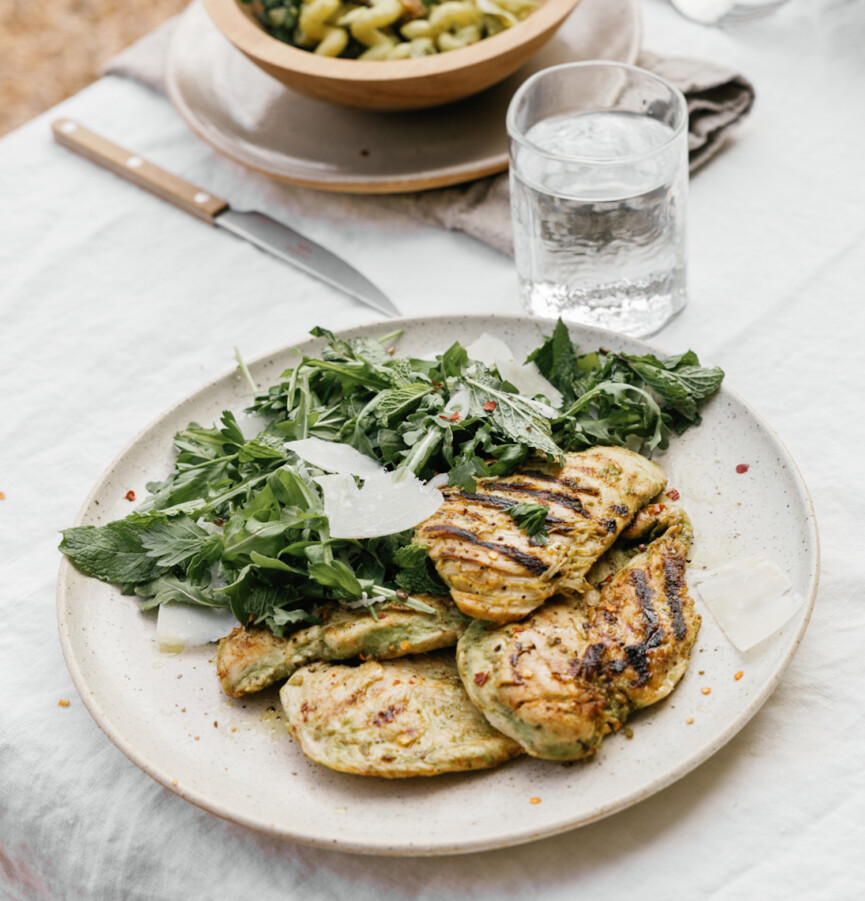
Eating enough in summer does not mean forcing yourself to eat heavy meals when you are not hungry. means to be intentional about giving your body what it needs, even when your appetite isn’t sending the usual signals.
Build your plate around protein. This is the non-negotiable, regardless of the season. Protein stabilizes blood sugar, keeps you full, and prevents the spike-and-bust cycle that makes summer afternoons unbearable. Try to consume at least 25-30 grams at each meal. If your breakfast is a smoothie, make sure it has a scoop of protein powder, a generous scoop of Greek yogurt, and something heartier than just frozen fruit.
Eat meals, not just snacks. A plate of berries is not a lunch. A handful of crackers and hummus is not dinner. Snack plates are delicious, but they must include protein and fat to count as real food. Prepare your summer meals according to the same structure you would use in any other season.
Lean on cold foods that are still substantial. This is where summer eating becomes fun! A no-cook dinner doesn’t have to be a small caprese salad. Think: cold cereal bowls with salmon, avocado, and tahini dressing. Cucumber boats stuffed with chickpea salad. Cold sesame noodles with shredded vegetables and edamame. A Pinterest-worthy halloumi salad. These are meals that feel light and refreshing but provide the nutrition your body needs.
Hydrate with food, not just water. Water-rich foods such as cucumber, melon, tomatoes and citrus contribute to fluid intake while providing electrolytes and micronutrients. Add a pinch of sea salt to water for better mineral absorption and don’t underestimate the power of good gut health to support nutrient absorption during the hotter months.
Eat on a schedule, even if you’re not hungry. When heat suppresses your appetite, it’s helpful to eat by the clock rather than waiting for hunger cues that may not come. Try to eat something substantial every 3 to 4 hours and try to eat breakfast within 90 minutes of waking up. This keeps your blood sugar stable, prevents the cortisol cascade, and ensures you’re not playing catch-up at 8 p.m.
Simple ways to stay energized (without feeling heavy)
As a nutrition coach, here are some low lifting changes that make a noticeable difference:
- Make it once and assemble all week. Cook up a batch of quinoa, roast some chicken breasts, and make chia pudding. There’s also something to be said about making a flavorless salad. For example, rinse and drain a can of chickpeas, hearts of palm, artichokes, and black olives. Chop the hearts of palm and mix the mixture. During the week, top it off with balsamic, olive oil, and your choice of protein and/or more fresh vegetables for a fiber-filled lunch.
- Make your smoothie count. Blend protein powder, a handful of spinach, frozen cauliflower (you won’t taste it), a tablespoon of nut butter, and a frozen banana. That’s a meal. A smoothie with only fruit and oat milk? That’s a sugar spike followed by a crash.
- Keep energy-dense snacks visible. Hard-boiled eggs, nut butter packets, cheese, trail mixes, and protein bars should be within easy reach (not buried in the back of the refrigerator behind the grapes).
- Don’t skip dinner because it’s hot. It’s easier said than done, but make a meal. It doesn’t have to involve the oven. Dinner is a simple plate of smoked salmon, avocado, a baguette and a handful of cherry tomatoes.
Summer feeding should not be minimal
The myth that summer eating should be minimal is just that: a myth. Your body needs fuel to feel good, sleep well, balance your hormones, and come into the season with energy and clarity. Contrary to what we have been led to believe (especially women), eating enough is not at odds with feeling light. In fact, it’s the only way to get there.

Edie Horstman
Edie is the founder of nutritional coaching company Wellness with Edie. With her expertise and experience, she specializes in women’s health, including fertility, hormonal balance, and postpartum wellness.


