




Introduction
In recent years, a notable shift has occurred within the field of plastic surgery in the United States. No longer driven solely by the pursuit of dramatic transformations, today’s plastic surgeons are increasingly prioritizing a philosophy that centers on the patient as a whole—mind, body, and aesthetic. The new gold standard? Natural-looking results that align with each individual’s unique features,
This evolution is not merely a trend but a reflection of deeper cultural values—self-acceptance, wellness, and individuality. U.S. plastic surgeons are at the forefront of this movement, balancing artistic vision with medical science to deliver subtle enhancements that support both physical beauty and emotional well-being.
The Rise of Patient-Centered Care in Plastic Surgery
Patient-centered care is a healthcare model that places the patient at the core of decision-making. In plastic surgery, this approach focuses on understanding the patient’s desires, setting realistic expectations, and delivering outcomes that look and feel natural.
Rather than offering one-size-fits-all procedures, surgeons now emphasize:
- Individualized treatment plans
- Open and empathetic communication
- Long-term patient satisfaction
- Minimal risk and optimal recovery
This approach fosters a trusting relationship between patient and surgeon. It not only results in better aesthetic outcomes but also reduces the psychological pressure many feel to conform to unrealistic beauty standards.
Why Natural Results Matter More Than Ever
In today’s image-conscious world, especially influenced by social media, one might assume the desire for perfection has reached new heights. Ironically, the opposite trend has emerged. Patients are increasingly seeking subtle changes that enhance, not alter, their natural features.
Here’s why:
- Authenticity Over Perfection: People want to look like a better version of themselves, not someone else entirely.
- Longevity of Appeal: Natural results age better and remain timeless.
- Social Acceptance: Overly “done” features often draw criticism, while refined enhancements blend seamlessly.
- Emotional Harmony: Patients report greater satisfaction when they feel their external appearance matches how they feel inside.
Natural-looking outcomes allow patients to maintain their identity, boosting both confidence and comfort in their own skin.
Consultations: The First Step Toward Personalized Care
The consultation is the foundation of the patient-centered approach. It is more than a clinical assessment—it’s a collaborative dialogue.
During these sessions, U.S. plastic surgeons typically:
- Explore the patient’s motivations and expectations
- Assess facial or body anatomy in detail
- Use advanced imaging tools to simulate results
- Educate patients on all available options
- Highlight potential risks and realistic outcomes
This comprehensive process ensures that both patient and surgeon are aligned on the goals and scope of the procedure. More importantly, it empowers patients to make informed decisions based on clarity and comfort.
Techniques That Enhance Without Overdoing
Modern surgical and non-surgical techniques have made it easier than ever to deliver natural outcomes. U.S. plastic surgeons rely on advanced methods that minimize trauma, reduce scarring, and maintain the integrity of each patient’s unique features.
1. Facial Procedures
- Facelifts: Today’s facelifts focus on repositioning underlying tissues rather than pulling the skin tight, preserving natural expressions.
- Rhinoplasty: Surgeons aim for nasal harmony with other facial features, avoiding a “one-size” nose.
- Blepharoplasty (eyelid surgery): Enhances alertness without giving a “surprised” look.
2. Breast Procedures
- Breast Augmentation: Many opt for smaller, anatomically shaped implants or fat grafting to avoid exaggerated results.
- Breast Reduction: Prioritizes proportion and posture while relieving physical discomfort.
- Breast Lifts: Provide youthful contours without significantly altering size.
3. Body Contouring
- Liposuction: Surgeons focus on sculpting rather than bulk removal to maintain body symmetry.
- Tummy Tucks: Emphasize muscle repair and natural waist definition.
- Fat Transfer: Uses the patient’s own fat to create gentle, organic volume in areas like hips, buttocks, or face.
4. Non-Invasive Enhancements
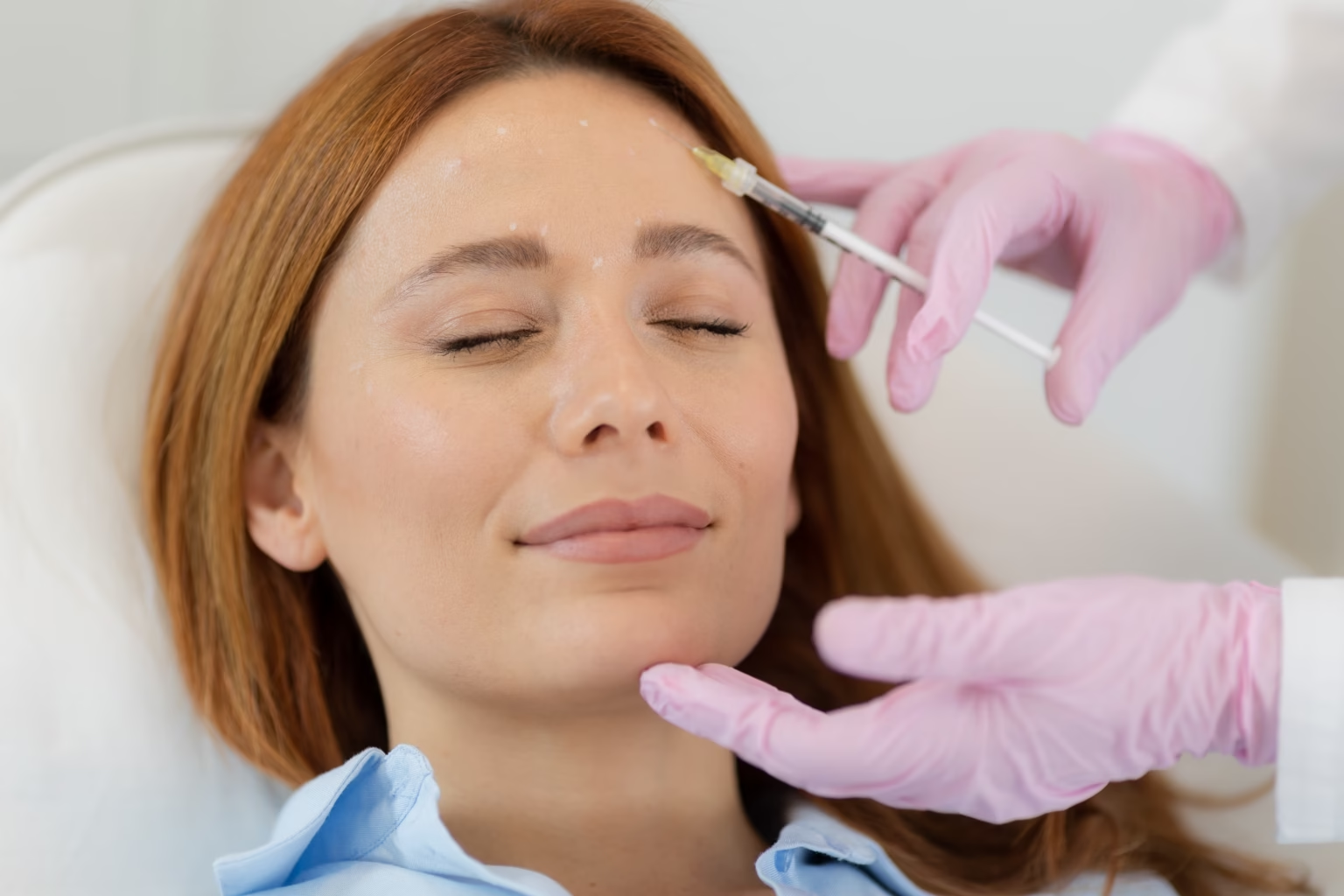
- Injectables: Subtle use of Botox or fillers to soften wrinkles or restore volume without freezing expression.
- Laser Treatments and Skin Tightening: Improve texture and tone gradually over time.
Psychological Benefits of Natural-Look Outcomes
Plastic surgery isn’t only skin-deep. Numerous studies have shown that patients who receive natural-looking results experience a greater boost in:
- Self-confidence
- Social engagement
- Mental health
- Job performance
These improvements are often linked to the fact that subtle enhancements support a sense of authenticity. When people look in the mirror and still recognize themselves—just refreshed—they tend to feel more grounded and emotionally balanced.
Cultural Shifts Driving the Change
Several cultural shifts in the U.S. have fueled the growing demand for natural results:
- Diversity and Inclusion: There’s greater respect for racial, ethnic, and gender-specific beauty. Surgeons tailor results to complement heritage, not erase it.
- Celebrity Influence: Public figures now celebrate “tweakments” and natural beauty rather than dramatic makeovers.
- Mental Health Awareness: More patients consider emotional readiness and psychological outcomes before undergoing surgery.
- Holistic Wellness: As Americans embrace total well-being—mental, physical, emotional—cosmetic choices have become part of a larger self-care strategy.
Surgeons as Artists and Counselors
Today’s plastic surgeons wear many hats. They are:
- Medical experts, ensuring safety and efficacy
- Artists, with an eye for symmetry, proportion, and beauty
- Advisors, guiding patients through emotional decision-making
- Communicators, who provide honest, compassionate feedback
Surgeons who practice patient-centered care understand that success is not only measured by how a nose or chin looks post-surgery—but also by how the patient feels living with it every day.
Looking Ahead: The Future of Plastic Surgery
The trend toward natural-looking results is here to stay. As technology evolves and societal standards continue to shift, we can expect even more refined tools, regenerative therapies, and customized procedures that make enhancements virtually undetectable.
Future innovations may include:
- 3D-printed implants tailored to the individual
- AI-assisted planning for hyper-personalized outcomes
- Stem cell therapies for scarless healing
- Biocompatible fillers that evolve with the body over time
But regardless of technological leaps, the heart of U.S. plastic surgery will continue to beat in rhythm with the patient’s voice.


