




Introduction
Trauma care in the United States has witnessed a remarkable evolution over the past few decades, and plastic surgeons have played a critical role in that transformation. Once seen mainly as cosmetic experts, plastic surgeons are now at the forefront of saving lives and restoring functionality through groundbreaking reconstructive procedures. From battlefield injuries to car accidents and natural disasters, the work of U.S. plastic surgeons in trauma care is redefining medical possibilities. This article explores how these specialists are leading innovative efforts in reconstructive surgery, improving outcomes, and reshaping lives—both literally and figuratively.
The Expanding Role of Plastic Surgeons in Trauma Care
Plastic surgery has long been associated with aesthetics, but at its core, it is a specialty rooted in reconstruction and restoration. U.S. plastic surgeons are now increasingly integrated into trauma teams at hospitals, particularly in Level I and II trauma centers, where their skills are essential in managing complex injuries.
Trauma care often involves high-impact injuries that affect multiple parts of the body—bones, nerves, blood vessels, and soft tissue. Plastic surgeons step in to address these intricate challenges, particularly when the wounds are disfiguring or functionally disabling. Their work goes beyond closing wounds; they aim to restore form, function, and dignity.
Innovations in Microsurgery
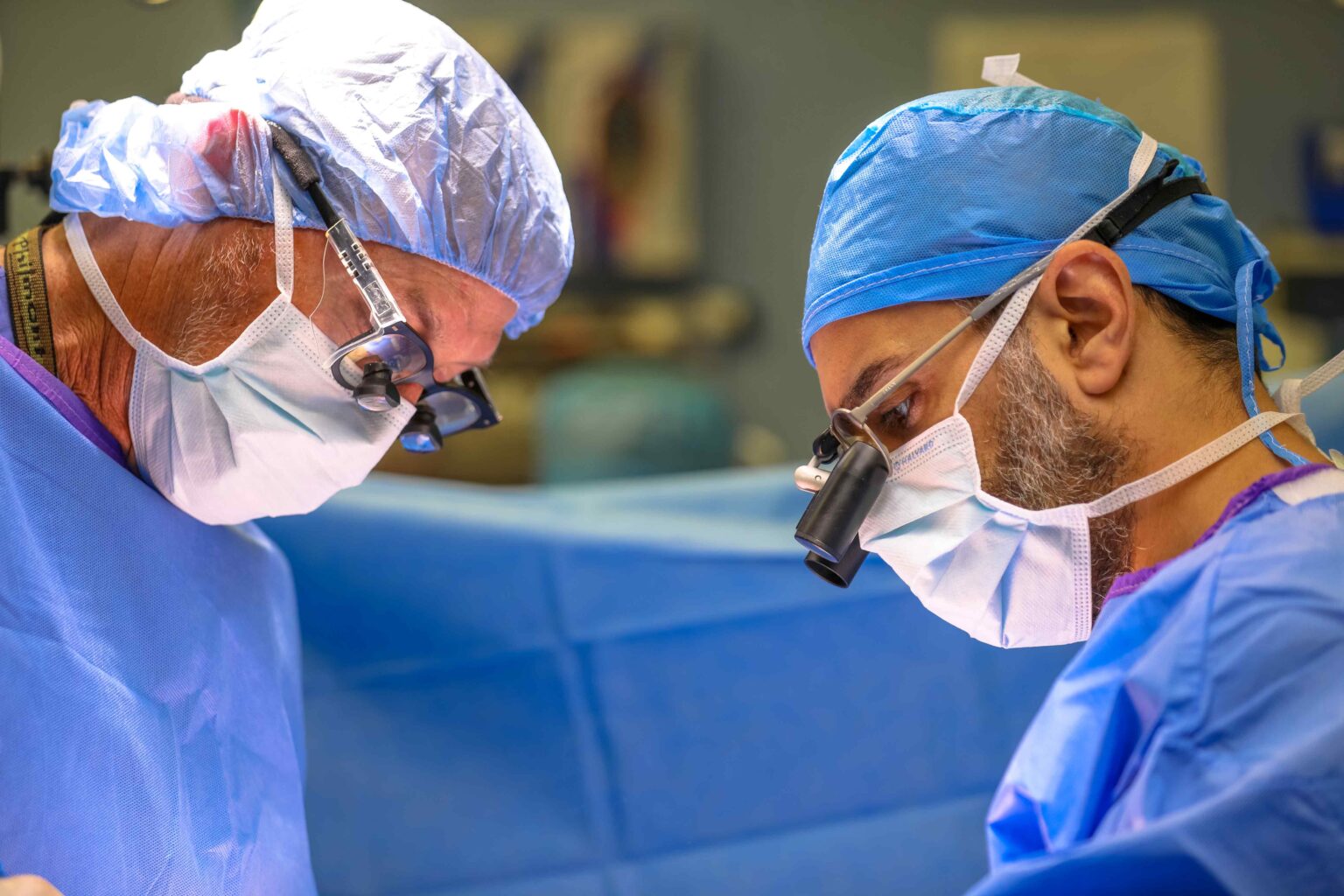
One of the most transformative areas in reconstructive trauma surgery is microsurgery—a technique that uses high-powered microscopes and precision tools to repair minute blood vessels and nerves.
Microsurgical techniques allow surgeons to transfer tissue from one part of the body to another (known as free tissue transfer) to reconstruct severely damaged areas. For example, after a traumatic limb injury, surgeons may transplant muscle, skin, and blood vessels from the thigh to the leg to save the limb. This level of reconstruction was once unimaginable but is now becoming routine in specialized trauma centers.
Microsurgery has also enabled nerve grafting and nerve transfers, offering hope to patients who would otherwise live with permanent paralysis or numbness. This capability is especially vital for injuries involving the face, hands, or extremities.
3D Printing and Personalized Reconstruction
Another revolutionary advancement is the use of 3D printing in trauma-related reconstructive surgery. With imaging scans, surgeons can create highly accurate models of patients’ bone structures, allowing for customized implants and surgical planning. This technology is particularly useful in craniofacial trauma, where even minor asymmetries can have major functional and psychological impacts.
For instance, if a patient suffers a complex facial fracture, a 3D model can help surgeons plan the precise placement of plates and screws. It also helps create implants tailored to the patient’s anatomy, improving surgical precision and outcomes.
Regenerative Medicine and Stem Cell Therapy
Regenerative medicine is another frontier that U.S. plastic surgeons are exploring to enhance trauma care. Techniques involving stem cells, growth factors, and platelet-rich plasma (PRP) are being used to accelerate healing, reduce infection risk, and improve scar quality.
For example, fat grafting—harvesting fat from one part of the body and injecting it into another—is now often used not just for cosmetic volume restoration, but also to deliver stem cells to injured tissue. This has proven beneficial in treating chronic wounds, radiation-damaged tissue, and scar contractures.
Advanced Wound Management Techniques
Plastic surgeons are also redefining wound care with negative pressure wound therapy (NPWT), skin substitutes, and bioengineered scaffolds. NPWT involves using vacuum-assisted dressings that promote blood flow and accelerate healing. This is especially effective in large or deep wounds that were previously difficult to manage.
Bioengineered skin and scaffolds offer temporary or permanent coverage for burns, degloving injuries, or extensive soft tissue loss. These innovations reduce the need for repeated surgeries and provide a better foundation for eventual reconstruction.
Burn and Scar Reconstruction
Burn injuries present one of the most complex and emotionally devastating types of trauma. U.S. plastic surgeons in burn centers are pioneering new ways to treat these injuries more effectively. From early excision and grafting techniques to laser therapies for scar remodeling, burn care has undergone a massive shift.
Fractional CO2 lasers and pulsed dye lasers are now commonly used to improve the texture and color of scars, enhance mobility, and reduce pain. These non-invasive or minimally invasive techniques allow for better recovery and improved cosmetic outcomes without the need for further surgical intervention.
Facial Trauma and Reconstruction
Facial trauma—resulting from motor vehicle accidents, falls, sports injuries, or assaults—requires not just functional restoration but also aesthetic sensitivity. U.S. plastic surgeons are uniquely equipped to handle these challenges with expertise in craniofacial anatomy, occlusion alignment, and soft tissue restoration.
Reconstructive options have expanded from metal plates and bone grafts to custom facial implants, vascularized bone transfers, and even virtual surgical planning (VSP). Using imaging software, surgeons can simulate procedures before entering the operating room, enhancing precision and reducing complications.
Pediatric Trauma Reconstruction
Children who experience trauma require a different approach due to their growing anatomy and emotional vulnerability. U.S. plastic surgeons specializing in pediatric reconstructive surgery are developing child-friendly techniques that prioritize both functional outcomes and psychosocial wellbeing.
For example, when a child suffers a traumatic facial injury, the reconstruction must accommodate future growth. Surgeons use growth-friendly implants or soft tissue techniques that can adapt over time. They also work closely with child psychologists, speech therapists, and rehabilitation teams to ensure holistic recovery.
Limb Salvage and Amputation Reconstruction
When a traumatic injury threatens a limb, plastic surgeons often collaborate with orthopedic surgeons in what’s known as orthoplastic surgery. Their goal: to save the limb when possible—or to reconstruct it in a way that preserves maximum function if amputation is required.
In limb salvage, free flaps, nerve reconstructions, and bone transfers can restore functionality. When amputation is unavoidable, plastic surgeons can create targeted muscle reinnervation (TMR) or osseointegration procedures that allow better control of prosthetics and reduce phantom limb pain.
Psychological and Social Impact
Reconstructive trauma surgery is not just about physical healing—it’s about restoring identity. Victims of facial injuries, burns, or disfiguring accidents often face stigma, depression, and isolation. The work of plastic surgeons plays a key role in helping these individuals regain confidence and reintegrate into society.
Many trauma reconstruction teams now include mental health professionals who work alongside surgeons. Surgeons are trained to manage patient expectations and provide compassionate, long-term care. The goal is a full recovery—not just survival, but also a return to a fulfilling life.
Military Contributions and Civilian Impact
Many breakthroughs in reconstructive trauma surgery have emerged from military medicine. During conflicts in Iraq and Afghanistan, U.S. military plastic surgeons developed advanced techniques to handle devastating injuries from blasts and shrapnel.
These battlefield innovations—such as advanced flap coverage for limb salvage, high-speed evacuation protocols, and rapid reconstruction—have since been translated into civilian trauma care. Veterans’ hospitals and civilian trauma centers continue to benefit from this shared knowledge and experience.
Training and Teamwork
Reconstructive trauma surgery requires not just individual skill but also seamless interdisciplinary collaboration. Plastic surgeons work alongside orthopedic, neurosurgical, vascular, and general trauma teams to provide comprehensive care. Surgical planning meetings, team debriefings, and coordinated rehabilitation plans ensure the best possible outcomes.
Training programs in the U.S. now place increased emphasis on trauma exposure and microsurgical skills. Surgeons are also trained in telemedicine, remote consultation, and simulation-based education to prepare for high-pressure situations.
Future Outlook
The future of trauma reconstruction looks promising, with continued innovation in biotechnology, robotics, AI-assisted surgery, and tissue engineering. U.S. plastic surgeons are at the forefront of these developments, committed to pushing the boundaries of what is surgically possible.
Researchers are exploring lab-grown skin and organs, gene therapy for wound healing, and smart implants that can monitor recovery in real time. As technology and medicine merge, trauma care will become more precise, personalized, and preventive.


