
there has been some speculation – in the mediaamong experts, and perhaps in their social circles, that weather forecasts have worsened recently. That shouldn’t be a big surprise. rolling stone reported last year that donald trumpWashington’s anti-science agenda could harm the forecasts. Indeed, his administration’s determination to gut monitoring agencies appears to be having a real impact.
Experts say staff cuts at the National Weather Service and a reported In particular, the decline in the number of weather balloons launched periodically could make it more difficult to produce accurate forecasts.
“The National Weather Service lost several employees last year, and many of those people were very experienced,” says David Stensrud, professor of meteorology and atmospheric sciences at Penn State. “They started rehiring earlier this year, but I suspect the new hires are still undergoing training, or perhaps they are just starting their job and don’t have the same level of experience.”
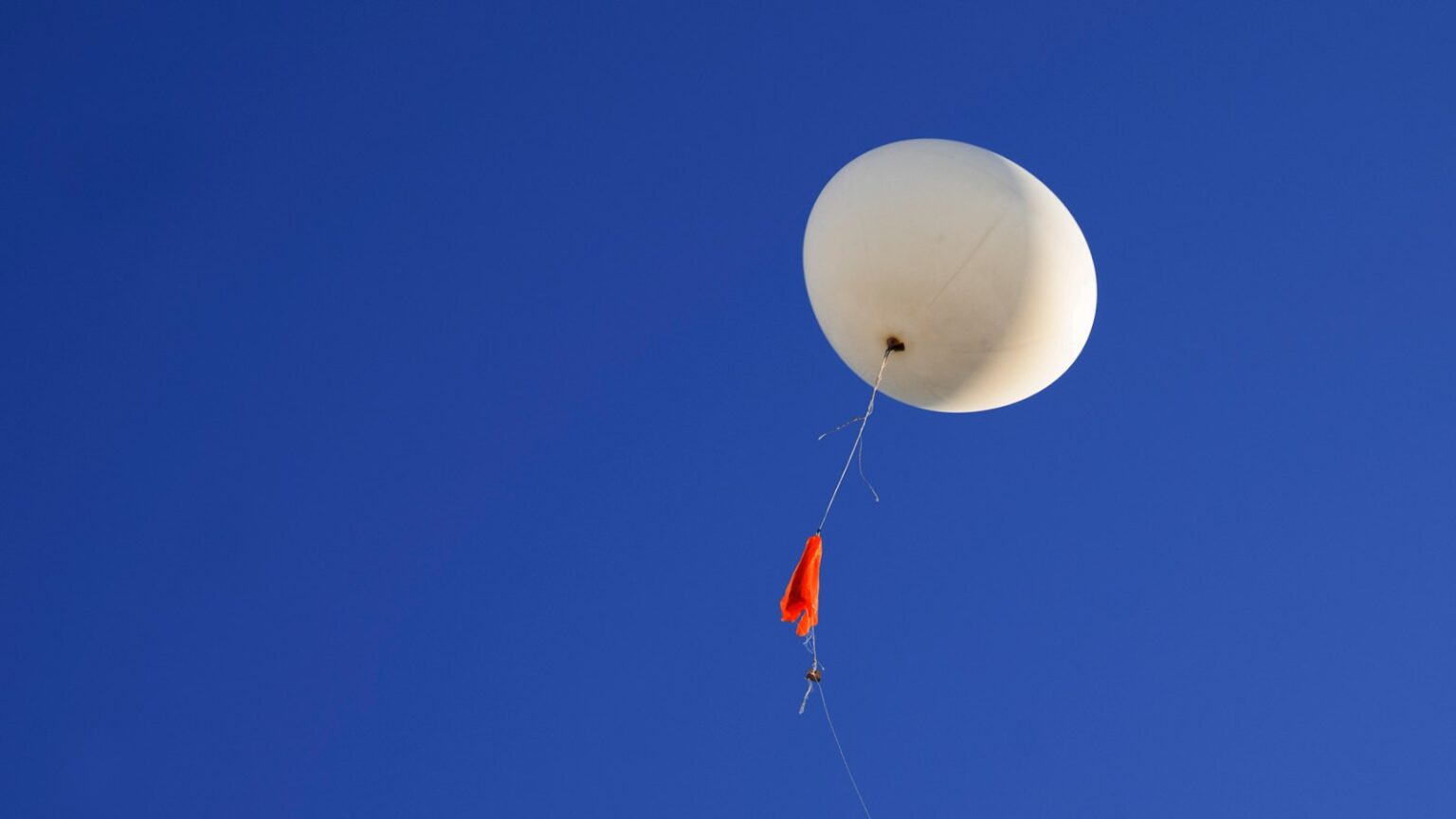
Weather balloons typically launch twice a day at dozens of locations across the United States. These balloons carry an instrument called a radiosonde, which collects a range of atmospheric data that helps determine weather forecasts, along with Doppler radar and various satellite images. Data from the National Oceanic and Atmospheric Administration shows that weather balloons are indeed being produced. released less frequently than they used to be. This reduces the amount of data meteorologists have to work with, which can lead to less accurate weather reports.
“Due to staffing issues with the Weather Service, many of the radiosonde sites in the central and western United States are not launched in the morning,” says Stensrud. “They are usually launched around midday, so you no longer have a complete view.”
Stensrud says it takes a lot of institutional knowledge to create accurate weather forecasts, not just data. If you fire a lot of people who have that knowledge, the forecasts will be worse.
The government has to be careful when it makes these kinds of staff cuts, Stensrud says, not only because of the knowledge it is losing but because of the message it sends about the administration’s attitude toward science. Many scientists have also left agencies voluntarily due to the hostile environment the administration has created.
Weather forecasts may appear to be less accurate, and it would make sense given the Trump administration’s cuts, but researchers still need to look into all of this. Kristen Corbosiero, a professor of atmospheric and environmental sciences at the University at Albany, says she hasn’t seen research done on whether forecasts have actually become less reliable, and that may take some time.
“I don’t think anyone has really done a formal study to see whether the forecasts are degrading right now, or not, that I’ve seen,” he says. “All the weather services in the United States used to routinely launch twice a day, sometimes not, due to helium or personnel shortages. And that data is obviously crucial because it feeds into our models in terms of forecasting.”
Corbosiero hopes that recently increases in hiring at the National Weather Service will help fix any problems that may have been created as a result of cuts after Trump returned to office. However, it won’t be a quick fix because new employees need time to settle into their roles.
“Making sure that our weather services offices are staffed, that we can collect data that gives us key information about climate events – what affects people day to day, but also how our climate is changing – is the main issue,” says Corbosiero.
Offices that measure climate data, including the National Center for Atmospheric Research in Colorado, have also been closed by the Trump administration. Corbosiero says that as a result, the nation could be less prepared for future extreme weather events, which could put lives at risk.
“The weather service model is to protect life and property,” says Corbosiero. “The less we track weather and climate, the less likely it is that forecasters will be able to predict what’s going to happen.”
It was not difficult to predict that DOGE’s indiscriminate firing of hundreds of thousands of public officials and cutting agency budgets would have harmful and unintended consequences. Many of the consequences seem to have arrived – from The Ebola outbreak in Africato gaps in the weather forecast and beyond. Perhaps the forecasts will improve if new Weather Service employees can be used to put back together what was carelessly discarded, but there is no escaping the fact that the devastating impact of the Trump administration’s attack on science will be felt for years to come.