



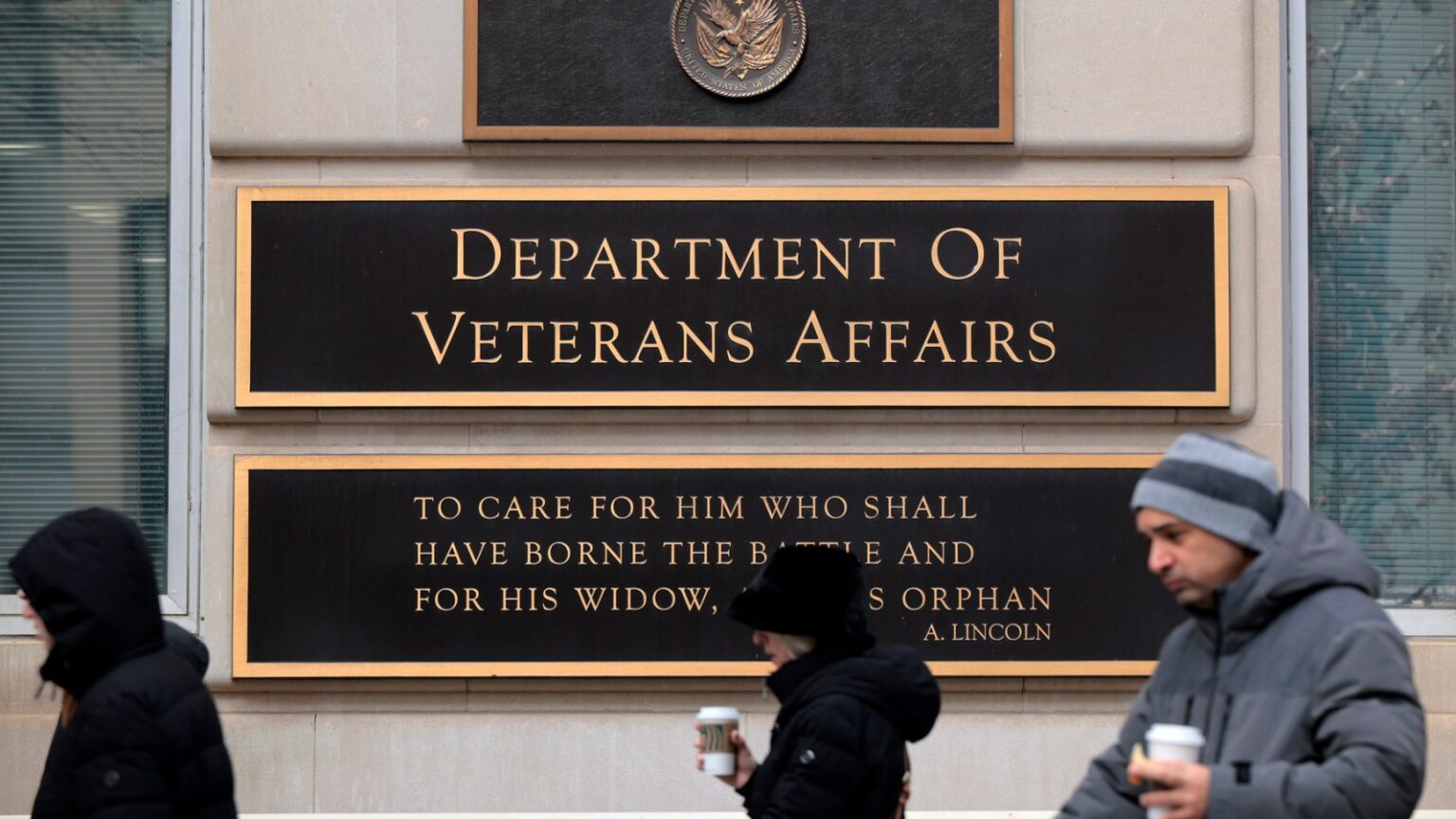

The Department of veterans affairs last month moved to alter how it evaluates disability ratings, announcing a new rule that allows it to take into account the effects of medications when determining what type of benefits a disabled veteran might receive.
The reaction was immediate and fierce. Veterans, advocates, and major service organizations understood exactly what was at stake. Disability compensation is not a reward for not being able to function. It is not unemployment insurance. It is an acknowledgment that military service caused lasting damage. If a veteran takes medications that help control symptoms, that does not erase the underlying injury. If a veteran manages to continue working despite pain, trauma, or physical limitation, that is no excuse to pay them less.
The VA retracted that rule amid the backlash. But now they have a new plan for how to heed Project 2025’s call to limit benefits, after the Conservative manifesto stated that “expanding[ing] “Disability benefits for large populations without proper planning have led to an erosion of veterans’ trust in the VA enterprise.”
The new plan is artificial intelligence, which the VA want to use to scan for fraud. Trump has cited fraud as justification for dismantling the VA, but the department’s fraud rate is less than one-hundredth of one percent. Large language models (LLMs) can be useful for large government organizations. I know, I wrote the whitepaper the VA used to help build their AI politics, but they are bad at finding things like fraud. This is partly because LLMs, unlike humans, will not quit when they find no fraud. They could even just come up with a scam, something the developers call hallucinations llm.
The problems with releasing LLMs into a system where actual fraud is incredibly rare are obvious.
The VA’s plan is to use Disability Benefits Questionnaires (DBQ) to identify so-called signs of fraud. These questionnaires are a critical part of the disability claims process. They are often completed by private medical providers and used by the VA to determine the severity of a service-connected condition and the compensation a veteran receives. Under the new plan, the VA will use AI to review massive amounts of these forms and flag submissions that appear suspicious. This could include forms with missing fields, repetitive language, altered documents, or forms with a provider located more than 100 miles from the veteran.
On paper, that may seem reasonable. Nobody supports fraud. Veterans don’t want scammers clogging up the system, exploiting the public, or undermining trust in legitimate claims. If there are factories producing fake forms or unethical suppliers exaggerating conditions, they should be investigated and shut down. But that’s not where this story ends. Because once the VA gives a machine the power to label a claim as suspicious, the burden almost always falls back on the veteran, and that’s where the real danger begins.
A claim flagged by an algorithm is not proof of fraud. A veteran might see a doctor far from home because specialists are limited, because telehealth has expanded, or because they moved during treatment. Similar language on all forms may reflect standard medical terminology, not deception. The missing information may be an administrative error. A document may be incomplete for reasons that have nothing to do with dishonesty. But once a system flags a DBQ as potentially problematic, the veteran is no longer limited to filing a claim. They defend themselves against an invisible accusation. After all, the AI model doesn’t know anything about the veteran, it’s just an LLM being told to find fraud.
This will mean new exams, new delays, new scrutiny and new opportunities for bureaucracy to wear people down. This creates a culture of fear. The veterans will surrender. And this is by design.
The broader pattern here is impossible to ignore.
First, DOGE entered and laid off tens of thousands of veterans of the federal service. The VA then tried multiple schemes to make changes to the benefits system through legislation. When members of Congress were unwilling to use political capital to screw veterans, Trump shouted “fraud” in the VA system, which didn’t really exist. The VA then agreed to a rule change that would have made it easier to reduce disability ratings by redefining how conditions are evaluated. When that failed, the conversation turned to fraud detection, automation and artificial intelligence.
The language changes, but the practical result is the same: fewer veterans receive the compensation they earned and more power concentrated in a system that too often treats veterans as problems to be shoved into the private market instead of people to serve, people who dedicated their lives to defending America.
Veterans gained benefits through service, injuries, sacrifice, and, in many cases, permanent damage that will never fully disappear. If Trump and the Republican Party Don’t Want to Care About Veterans, They Need to Stop creating so many of them.


