



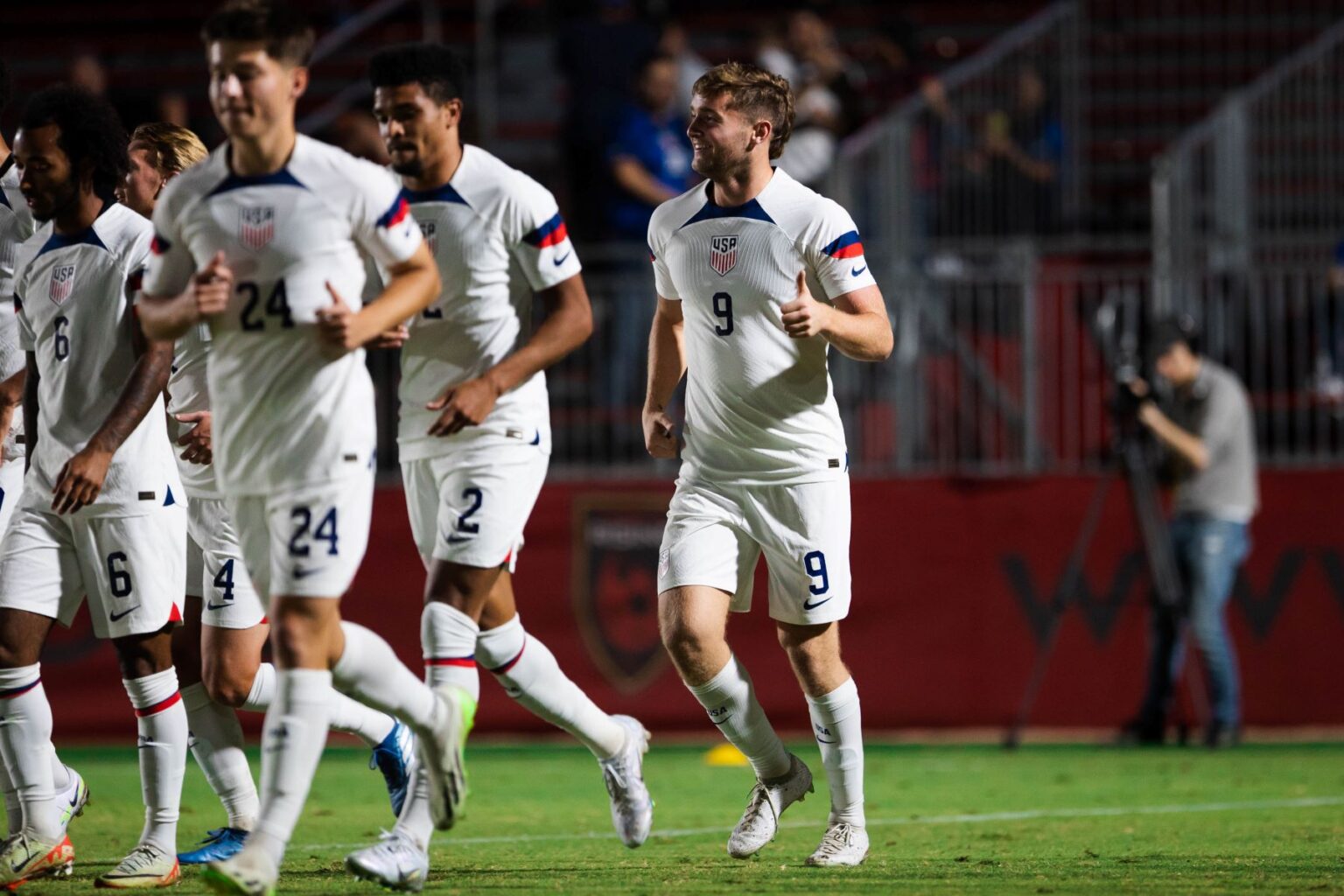

The U.S. Men’s National Team (USMNT) is training hard. They have another friendly coming up, this time against Japan. It might seem like just a practice game. There aren’t any trophies to win, and it doesn’t change their standings. However, anyone who follows this team knows it means a lot more. With the 2026 FIFA World Cup not far off, every game counts. It’s a way of seeing how far the team has come, and what they still need to work on.
Putting the Last Game Behind Them
The last game against South Korea wasn’t great. They lost 2–0, which was disappointing. The U.S. team seemed slow, out of sync, and unsure of themselves. The fans weren’t pleased, and the players looked like they were frustrated. Now, they’re up against Japan. If you know anything about them, you know it won’t be easy. They’re fast, skilled, and focused. They take advantage of mistakes super quick. This is exactly the kind of challenge the U.S. team needs.
Why Japan Is the Right Team to Play
Japan isn’t a team to underestimate anymore. They’ve won against Germany and played really well against Spain. They’ve proved they can compete with the best. Players like Kaoru Mitoma in the Premier League and Takefusa Kubo in La Liga are amazing. Playing against them isn’t just some casual practice. It’s like holding up a mirror. It shows you exactly where you’re strong and where you’re weak. If the U.S. wants to be a serious contender in 2026, these are the games that matter. If they mess up, there will be more questions. If they do well, people will start to believe in them again.
The U.S. Team: Lots of Talent, but Some Questions
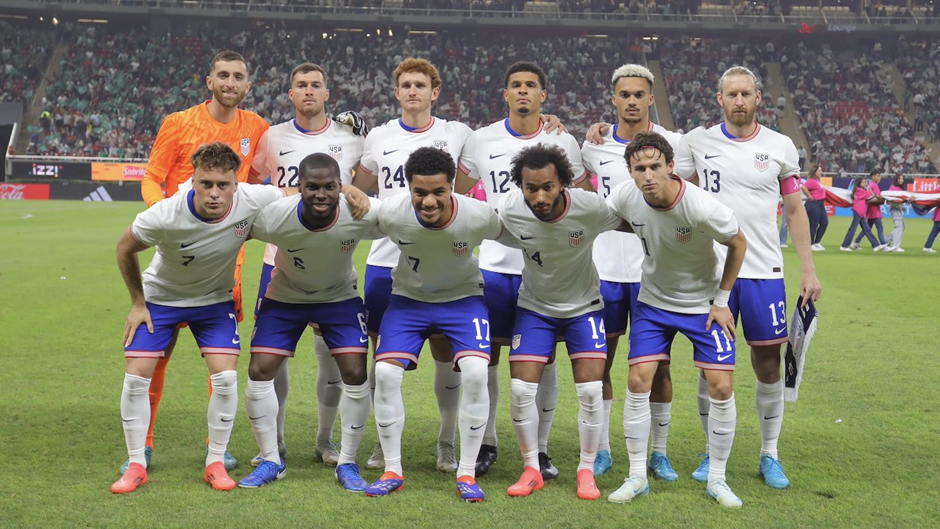
The U.S. team has tons of talent. Christian Pulisic is still the main guy, leading the attack. Weston McKennie brings energy to the midfield. Tyler Adams keeps things steady when he’s playing. Then you have Gio Reyna, Yunus Musah, and Ricardo Pepi young, fast, and eager. The problem is how well they play together. Having star players isn’t enough. Teams win by working together, not just by individual effort. This team still seems to be figuring out how to connect on the field. Gregg Berhalter, the coach, is feeling the pressure. Each game is like a tryout for him. People are questioning his choices and game plans. If they don’t perform well, the criticism will get even louder.
What Needs to Be Fixed
One issue is obvious: scoring. Against South Korea, the U.S. had chances but didn’t score. That can’t happen against Japan. Another problem is the defense. They’ve been making too many mistakes and reacting too slowly. One bad pass or sloppy play against Japan could mean a goal for the other team. The defense needs to be sharper. No excuses. Berhalter said that they need to fix mistakes fast and prove they can get back on their feet.
Friendlies That Actually Matter
Some fans don’t care about friendlies. They think they’re unimportant. But these games are useful for trying new things, building team chemistry, and learning how to recover from tough losses. The U.S. can’t go into the 2026 World Cup without enough prep. The tournament will be on their home turf. The pressure will be huge. Millions of fans will be watching, and the whole country will have big expectations. That’s why even games that seem pointless actually have a lot of importance.
The Fans Want More
San Diego is hosting the game, and fans will be there. They always show up. But they want to see more than just effort. They want passion, goals, and excitement. They want to see that the team is making progress. American soccer fans have been through a lot. Missing the 2018 World Cup still hurts. The 2022 performance was encouraging, but it wasn’t enough. Now they want to see the team take the next step. Even though the game against Japan isn’t a final, it still matters to the fans.
Japan’s Perspective
Don’t forget about Japan. They want to keep showing that they’re a strong team. They want to prove that their wins against Germany and Spain weren’t just lucky. They want respect. Winning against the U.S. on their own field would send a strong message.
Confidence Is Key
This game is about more than just strategy. It’s about feeling confident. It’s about momentum. A good game can boost training and future matches. A bad game can create doubts that stick around for too long. That’s what makes international soccer so great and so frustrating. Every game feels more important than it looks.
In Conclusion
So, here we are. U.S. versus Japan. It’s just a friendly on paper. But really, it’s much more. It’s a test of how strong they are. It’s a chance to get rid of some rust. It’s a chance to remind everyone that this team is building toward something big. The World Cup is coming. The players, the coach, and the fans all know it. Now, the question is: will the U.S. step up, or will they fall short?


