
NEWNow you can listen to Fox News articles!
An ancient city was recently discovered, with a forum and a theater, next to a popular tourist destination in Italy, according to officials.
In a translated announcement this month, the Italian Culture Ministry said the city was found at the archaeological site of Fioccaglia in Flumeri, Avellino, next to the Appian Way.
The Appian Way, a UNESCO World Heritage Site, is an approximately 350-mile-long road that runs from Rome to Brindisi.
With some parts dating back to 312 BC. C., the road was one of the most strategically important in ancient Rome and an unusual vestige of life in ancient times.
Authorities said the ruins were found with the use of drones, led by a team of experts. The ruins date between the 2nd and 1st centuries BC
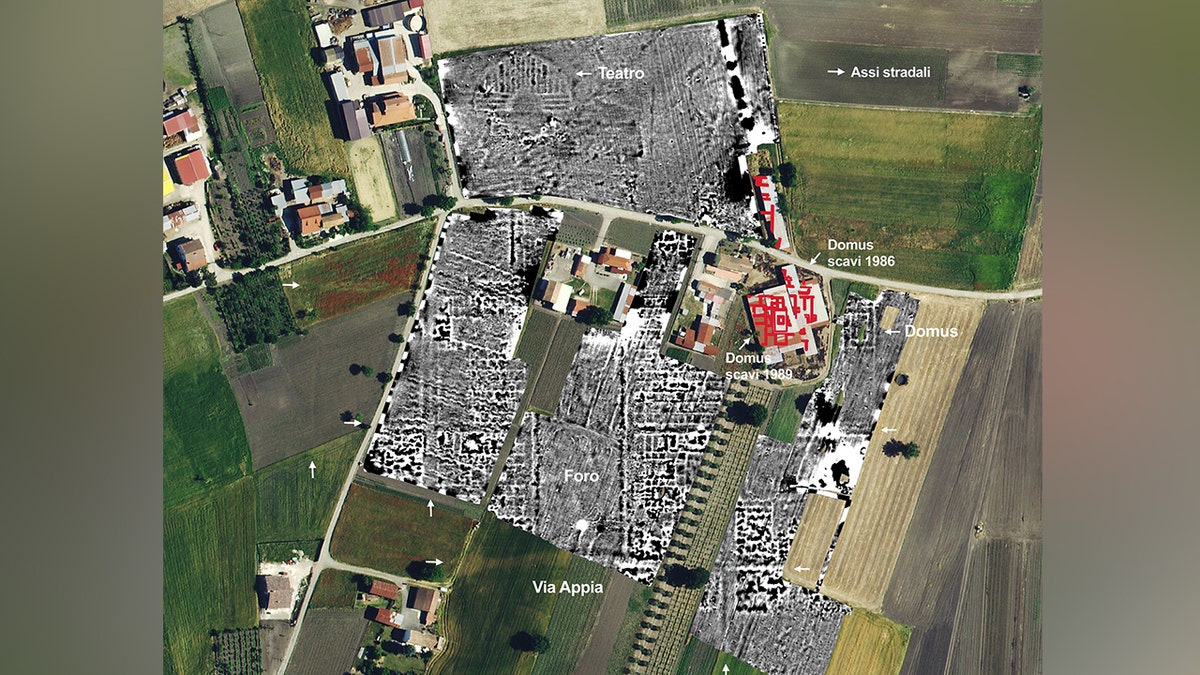
Italian officials announced the discovery of an ancient Roman city at the site of Fioccaglia in Flumeri, Avellino, near the historic Appian Way. (Ministry of Culture)
The recent excavation “clearly identified the orthogonal layout of the city, with regular street axes and blocks planned according to the model of the newly founded Roman cities,” according to the statement.
Officials said the forum – the city’s civil and commercial center – was crucial. Together with “a previously unknown monumental theater, [it is] an element that attests to the social and cultural importance of the urban center.”
“The findings confirm that Fioccaglia was a structured city equipped with monumental public buildings, which reinforces its historical and strategic role within the Roman road system,” the statement added.
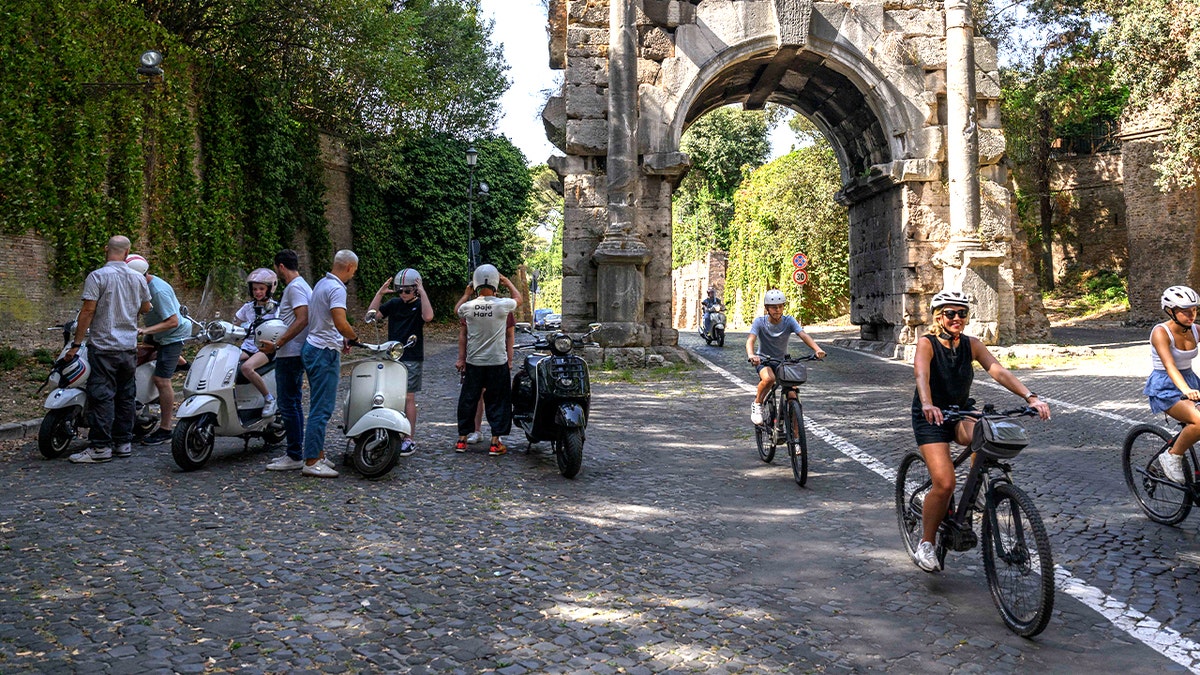
The Appian Way, which runs approximately 350 miles from Rome to Brindisi, is recognized as a UNESCO World Heritage Site. (Antonio Masiello/Getty Images)
Professor Giuseppe Ceraudo, a professor at the University of Salento who helped find the ruins, credited a combination of “geophysical studies and remote sensing research using drones equipped with thermal and multispectral sensors.”
CLICK HERE TO SUBSCRIBE TO OUR LIFESTYLE NEWSLETTER
The technology “made it possible to obtain a true ‘x-ray’ of the ancient center still buried, identifying structures through variations in the growth of vegetation and in the magnetic composition of the subsoil,” said Ceraudo.
“The multidisciplinary approach has provided a solid scientific basis for planning future protection and improvement activities,” he added.

Parts of the Appian Way date back to 312 BC. C., which makes it one of the oldest and most important Roman routes. (Iván Romano/Getty Images)
Angelo Lanza, mayor of Flumeri, described the discovery as “a source of great pride and a development opportunity for our territory.”
CLICK HERE FOR MORE LIFESTYLE STORIES
“The Municipality is willing to work closely with the University and the Superintendency to ensure that Fioccaglia, a strategic crossing along the Via Appia, becomes a milestone in the historical and cultural offer of the Campanian hinterland,” he said in the statement.
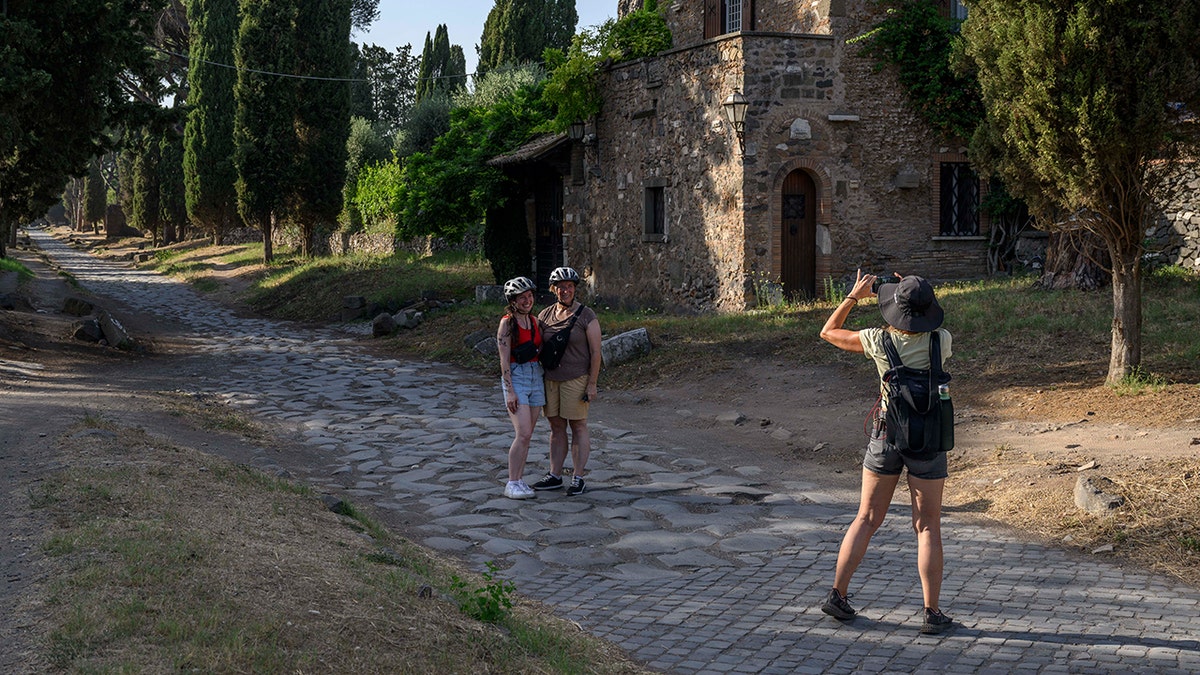
The discovery near the Appian Way sheds new light on Roman urban planning in southern Italy. (Antonio Masiello/Getty Images)
The announcement joins a list of others. main historical discoveries throughout Italy so far in 2026.
In early February, Pompeii officials revealed that 2,000-year-old love notes They were found in a very touristy part of the archaeological park.
CLICK HERE TO GET THE FOX NEWS APP
In January, archaeologists discovered a long-lost basilica. tied to Vitruvius, Known as the father of architecture.
Related article